

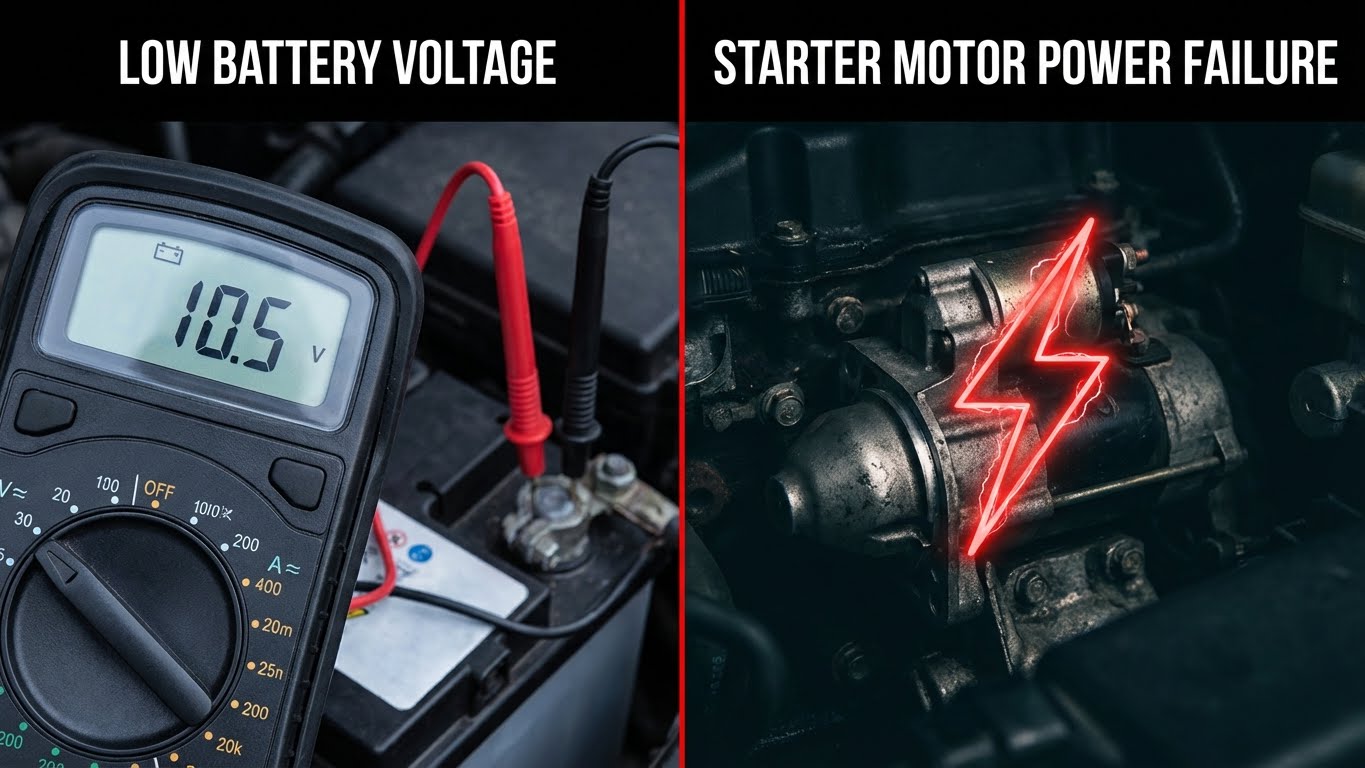
A clicking noise when starting a Toyota Corolla usually means the starter motor is not getting enough power to turn the engine over. This often happens because of a weak or dead battery, poor connections, or issues with the starter system. Many times, the problem is simple and can be fixed without replacing major parts.
It’s common for drivers to hear rapid clicks each time they try to start the car, but the engine won’t turn. This noise is a sign that electricity is struggling to reach the starter motor. Checking the battery first is important since it is the most common cause of this issue. However, loose wiring or a failing starter could also be the reason behind the clicking sound.
Understanding these common causes helps in fixing the problem sooner and avoiding more damage. Knowing what to look for makes it easier to decide when to attempt a repair or call a professional.
Key Takeways
- Clicking often means the starter motor is not receiving enough power.
- Battery problems are the most frequent cause of clicking noises.
- Checking connections and the starter system helps identify the issue.
Contents
- 1 Identifying the Source of a Clicking Noise
- 2 Common Causes of Clicking Noise When Starting a Toyota Corolla
- 3 Battery Issues and Their Impact on Startup Sounds
- 4 Starter System Malfunctions
- 5 Electrical System Troubleshooting for Clicking Noises
- 6 Diagnosing Problems Based on Clicking Patterns
- 7 When to Seek Professional Repair
- 8 Preventative Maintenance to Avoid Startup Noises
- 9 Potential Costs for Repairing Clicking Noises
- 10 FAQs
- 11 Conclusion
Identifying the Source of a Clicking Noise
A clicking noise when starting a Toyota Corolla usually points to electrical or mechanical issues. Pinpointing the type of click, where it comes from, and any dashboard indicators can help narrow down the problem. This information aids in diagnosing whether the issue is simple or requires professional repair.
Single Click vs Repeated Clicking
A single click often means the starter solenoid is trying to engage but fails to turn the engine. This can indicate a dead or weak battery, poor electrical connections, or a faulty starter motor.
Repeated clicking, on the other hand, usually suggests the battery lacks sufficient power to crank the engine. The clicking is the starter solenoid rapidly engaging and disengaging.
In both cases, the battery and its connections should be checked first. A fully charged, healthy battery and clean terminals are essential for proper starting.
Audible Location of the Noise
Identification of the noise source helps isolate the problem. Clicking from the area under the hood near the battery or starter motor usually points to the electrical system.
Clicks coming from the engine block or valves might indicate mechanical issues, like problems with the hydraulic lifters or piston clearances. These sounds occur more often during startup or idling.
The exact spot of the clicking sound is vital context when diagnosing the issue, as it separates electrical from engine-related causes.
Dashboard Warning Lights During Startup
Warning lights on the dashboard during a clicking start attempt give clues about the car’s condition. If the battery light or check engine light comes on, it often signals electrical problems like battery failure or alternator issues.
No warning lights despite clicking may lean toward a mechanical starting problem. However, if multiple warning lights flash, it could indicate a deeper electrical system fault.
Monitoring dashboard lights helps confirm whether the clicking is related to power supply problems or more serious engine concerns.
Common Causes of Clicking Noise When Starting a Toyota Corolla
A clicking noise when trying to start a Toyota Corolla usually points to a problem within the electrical or starting system. It often means that the engine is not getting the power or signal it needs to turn over. The issue can come from the battery, the starter motor, or even the starter relay.
Battery Issues
The most frequent cause of a clicking noise is a weak or dead battery. When the battery doesn’t have enough charge, it cannot supply sufficient power to the starter motor. This causes the starter to click repeatedly without engaging the engine.
Battery terminals that are corroded or loose can also cause the problem because they block the electrical flow. Cleaning and tightening the terminals often restores proper contact.
If the battery is old or damaged, replacing it may be necessary. Testing the battery with a voltmeter can quickly show if it is the source of trouble. A fully charged battery typically reads about 12.6 volts or higher.
Starter Motor Problems
The starter motor is responsible for turning over the engine when the key is turned. If the motor is faulty, it might make a clicking sound without spinning the engine.
Common issues include worn-out brushes, a damaged armature, or a stuck pinion gear. These parts can fail over time due to wear or overheating.
If the starter motor is defective, it may need repair or replacement. Sometimes wiring problems near the starter can mimic motor failure. Checking for loose or damaged wires is a good first step before replacing the starter.
Faulty Starter Relay

The starter relay acts as a switch that sends power from the battery to the starter motor. If the relay fails, the motor may only get intermittent power, causing the clicking noise.
A bad relay can be caused by electrical wear or internal contact failure. Unlike the starter motor, relays are often easier and cheaper to replace.
Testing the relay involves listening for a click when the key is turned or using a multimeter to check continuity. Replacing a faulty relay will restore proper current flow to the starter and fix the clicking issue.
Battery Issues and Their Impact on Startup Sounds
Battery problems are a leading cause of clicking noises when starting a Toyota Corolla. These issues often affect the power needed to crank the engine, resulting in various audible signs. Proper battery health and clean connections are essential for smooth starting.
Dead or Weak Battery Symptoms
A dead or weak battery usually causes a rapid clicking sound when the key is turned. This clicking happens because the starter motor gets some electrical power but not enough to turn the engine over. The battery voltage is too low to provide the current required for the starter.
Other signs include dim headlights, slow dashboard lights, or no power at all in the electrical system. The vehicle might start after a jump-start but fail again if the battery cannot hold a charge. Testing the battery with a multimeter can confirm if voltage is below the normal resting level of about 12.6 volts.
Loose or Corroded Battery Terminals
Loose or corroded battery terminals reduce electrical flow from the battery to the starter. Corrosion often looks like white or greenish powder around the terminal clamps. This buildup creates resistance, allowing less current to reach the starter motor.
A poor connection here produces a clicking noise because the starter solenoid tries to engage but fails due to low power. Cleaning the terminals with a wire brush and tightening all connections can restore proper current flow. It also prevents further corrosion and ensures the battery’s full power reaches the starter system.
Starter System Malfunctions
Starter system malfunctions in a Toyota Corolla often cause the clicking noise heard when the engine fails to start. These malfunctions usually involve key components that control the flow of electricity needed to power the engine’s cranking process. Understanding these parts helps pinpoint why the car won’t turn over despite the clicking sound.
Solenoid Failure
The solenoid acts as a switch that sends electrical current from the battery to the starter motor. When the solenoid fails, it may produce a clicking noise without engaging the starter motor. This happens because the solenoid tries to connect the circuit but cannot push enough current through to start the engine.
Common signs of solenoid failure include rapid or single clicks while turning the key, no engine crank, and sometimes electrical components behaving erratically. Dirt, wear, or damage to the solenoid contacts can cause this issue. Testing the solenoid usually requires checking for voltage with a multimeter or listening for the click in relation to battery voltage.
Worn Out Starter Motor
The starter motor physically turns the engine over at ignition. If the starter motor is worn out, it may produce a clicking noise as the gears or internal parts fail to engage properly. This can result in the motor trying to spin but not having enough power or mechanical grip to move the engine.
A worn starter motor often shows other symptoms like slow engine cranking, intermittent starting failure, and sometimes smoke or burning smells due to overheating. Over time, the motor’s brushes and armature wear down, reducing its efficiency. Replacing the starter motor is usually necessary when the wear reaches a point it no longer functions reliably.
Electrical System Troubleshooting for Clicking Noises
A clicking noise when starting a Toyota Corolla often points to an issue in the electrical system. Checking key components like fuses and the ignition switch can help narrow down the cause and guide repairs.
Blown Fuses
Blown fuses in the starting circuit are a common cause of clicking noises during ignition attempts. Fuses protect electrical components by breaking the circuit when current is too high. If a fuse related to the starter or ignition system is blown, it can stop power from reaching the starter motor, causing only clicking sounds without engine cranking.
To diagnose, locate the fuse box, usually under the dashboard or hood. Use the owner’s manual to find fuses linked to the starter and ignition. Inspect them visually for breaks or burns. Testing with a multimeter can confirm fuse health. Replacing blown fuses with the correct rating restores proper power flow and can fix the clicking problem quickly.
Ignition Switch Problems
A faulty ignition switch can also cause clicking noises and prevent the engine from starting. The ignition switch sends electrical signals to the starter motor and other systems needed to start the car. If it fails internally or wears out, the switch may not send enough power, causing the starter to click but not turn the engine.
Signs of a bad ignition switch include difficulty turning the key, intermittent electrical issues, or no response when trying to start. Testing the switch involves checking for consistent voltage output when the key is turned. Replacing the ignition switch usually solves the problem if it is the source of the clicking noise.
Diagnosing Problems Based on Clicking Patterns
Clicking noises when starting a Toyota Corolla can point to different issues depending on their pattern. Paying attention to how fast or loud the clicks are helps narrow down the cause. This can save time and guide proper repairs.
Rapid Clicking Noises
A rapid clicking noise, occurring several times per second, usually means the starter motor is not getting enough power. This is often caused by a weak or dead battery. Low battery voltage prevents the starter from engaging fully, leading to repeated clicks.
Corrosion or loose battery terminals can also cause rapid clicks because they reduce electrical flow. Checking battery cables for corrosion or poor connections is important. Sometimes, jump-starting the car will confirm if the battery is the issue.
If the battery is good, the problem may lie with the starter relay or the wiring in the starter circuit. But the battery is by far the most common reason for rapid clicking noises in this model.
Single Loud Click During Ignition
A single loud click when turning the key usually relates to the starter solenoid engaging but the engine not turning over. This can mean the starter motor itself is faulty or stuck.
Less commonly, the issue could be with the ignition switch or a wiring problem between the battery and the starter. A quick voltage test at the starter can reveal if it is receiving enough power.
If the starter relay clicks once and the engine does not crank, replacing the starter motor or solenoid is often necessary. This one-click sound is a clear sign the electrical system is delivering power but the starter cannot do its job.
When to Seek Professional Repair
If simple fixes like checking the battery or cleaning terminals do not stop the clicking noise, it may signal bigger problems. Some electrical issues need expert tools and skills to diagnose. Also, if the clicking persists after those basic steps, a professional should look deeper to avoid further damage.
Complex Electrical Issues
When the clicking noise comes from complex electrical problems, professional help is needed. This includes issues with the starter motor, ignition switch, or wiring that are hard to access or test without proper equipment. Experts can perform detailed voltage tests and check circuits thoroughly.
Trying to fix these without the right knowledge may cause more damage or leave the car starting inconsistently. Electrical components can wear out or fail silently, so a mechanic can pinpoint exactly what part is faulty. This prevents guesswork and unnecessary replacement parts, saving time and money.
Unresolved Noises After Basic Checks
If the clicking noise continues even after checking the battery charge, terminal corrosion, and starter connections, it indicates a deeper problem. Persistent clicking could mean the starter motor itself is failing or there’s an internal engine or fuel system issue impacting starting.
Handling this requires diagnostic tools to test the starter and engine systems. Mechanics can also inspect the fuel delivery or ignition system to rule out other causes. Leaving these issues untreated may lead to complete engine failure or leave the car stranded unexpectedly.
Preventative Maintenance to Avoid Startup Noises

Keeping a Toyota Corolla from making clicking noises when starting often comes down to caring for its battery and electrical system. Regular checks and simple upkeep can prevent many common issues that cause startup problems.
Regular Battery Testing
The battery is the main power source to start the engine. Testing it regularly helps spot problems before they lead to clicking noises or no-start situations. Battery tests check voltage and overall health.
A typical battery should have around 12.6 volts when fully charged. Anything below 12.4 volts may need attention. Testing can be done with a voltmeter or at many auto shops during routine maintenance.
It is important to test the battery especially before cold seasons, as low temperatures reduce battery performance. Replacing an old or weak battery can stop weak power flow, avoiding clicking sounds during startup.
Checking Electrical Connections
Loose or corroded electrical connections can interrupt power flow from the battery to the starter motor. This interruption often causes clicking noises when trying to start the car.
Inspect the battery terminals and cable ends for corrosion or damage. White or greenish powder is a sign of corrosion and should be cleaned using a battery terminal cleaner or a solution of baking soda and water.
Tighten any loose battery connections and check wiring at the starter motor. Proper contact ensures the starter gets enough electricity to crank the engine smoothly. Regular cleaning and tightening prevent many common startup issues.
Potential Costs for Repairing Clicking Noises
Repair costs for clicking noises in a Toyota Corolla vary based on the cause. A simple inspection usually costs around $90 to $110. This price often includes labor but may not cover parts if repairs are needed.
If the clicking noise comes from the starter or electrical system, the cost might increase. Starter repairs or replacements can be more expensive, sometimes ranging from $200 to $500 depending on parts and labor.
When clicking happens during turns, it could be due to the CV axle shaft. Fixing this issue might cost between $300 and $700, depending on the model and repair shop.
Here is a quick cost summary:
| Repair Type | Estimated Cost Range |
|---|---|
| Noise Inspection | $90 – $110 |
| Starter Repair/Replace | $200 – $500 |
| CV Axle Shaft Repair | $300 – $700 |
Labor rates and parts prices vary by region. Some shops may charge more, especially if the issue involves engine components.
Getting a proper diagnosis early can help avoid higher repair costs later. Most clicking noises are linked to common and treatable issues in Toyota Corollas.
FAQs
Why does a Toyota Corolla make a clicking noise when starting?
The clicking noise often means the starter motor is not getting enough power. This is usually due to a weak or dead battery, poor battery connections, or corrosion on terminals. Sometimes, loose wiring or a failing starter can also cause the clicking.
What should be checked first if the car clicks but won’t start?
A quick check of the battery is important. Make sure the battery is charged and the terminals are clean. Many times, simply cleaning the battery terminals or jump-starting the car fixes the problem.
Can a bad starter cause the clicking sound?
Yes. The starter solenoid clicks when it tries to engage but can’t fully connect if the starter is faulty. If the battery and connections are good, the starter or the solenoid may need inspection.
Is it safe to keep trying to start the car when it clicks?
Repeated attempts can drain the battery further. It’s better to diagnose the cause first or get help. Persistent clicking usually means an underlying electrical or starter problem that needs fixing.
Where to find more help on fixing starter issues?
Trusted websites like AutoZone or YourMechanic provide detailed guides and repair tips. These resources can help diagnose and repair common starting issues in a Toyota Corolla.
What other symptoms might occur along with the clicking noise?
The dashboard lights may dim, or there may be no engine turnover. If lights and electronics stay on but the engine doesn’t crank, the problem often lies in the starter system or battery.
Conclusion
A clicking noise when starting a Toyota Corolla usually points to an electrical or battery-related issue. The most common causes include a weak battery, corroded battery terminals, or poor connections in the starter circuit. These problems are often straightforward to check and fix.
If the battery is low or faulty, it won’t supply enough power for the starter motor. This causes the rapid clicking sound without the engine cranking. Cleaning the battery terminals or replacing the battery often resolves this issue.
Sometimes, the problem can be a faulty starter motor or loose wiring. These situations may require professional diagnosis and repair. Ignoring the clicking noise can lead to a car that won’t start at all.
Key points to remember:
| Cause | Solution |
|---|---|
| Weak or dead battery | Recharge or replace battery |
| Corroded terminals | Clean battery connections |
| Loose or damaged wiring | Repair or replace wiring |
| Faulty starter motor | Replace starter motor if needed |
Regular maintenance of battery and starter connections can prevent many starting problems. Addressing the clicking noise promptly helps avoid being stranded. This ensures the Toyota Corolla remains reliable and starts smoothly every time.