

A clicking noise when trying to start a Toyota RAV4 usually points to an issue with the car’s electrical or starting system. Most often, this noise happens because the battery is weak, the battery terminals are corroded, or the starter motor is not getting enough power to turn the engine over. This sound means the starter is trying to engage but cannot fully start the engine.
If the battery is fine, the problem could be related to the starter itself or other electrical connections. Sometimes corrosion or loose wires stop the starter from working right. In some cases, the fuel system or ignition components might cause a no-start condition with clicking sounds, but these are less common than electrical issues.
Understanding why the clicking happens helps decide what to check first and whether professional repair is needed. Acting quickly can prevent more damage and save time and money in the long run.
Key Takeways
- A weak battery or poor connection is the top cause of clicking noises when starting.
- The starter motor and electrical system should be inspected if the battery is good.
- Quick diagnosis and repair help avoid bigger problems later.
Contents
- 1 Common Causes of Clicking Noise When Starting a Toyota RAV4
- 2 Electrical System Issues
- 3 Ignition and Fuel System Concerns
- 4 Diagnosing the Clicking Noise
- 5 Immediate Steps to Take If Your RAV4 Clicks But Won’t Start
- 6 When to Consult a Professional Mechanic
- 7 Preventing Future Starting Issues
- 8 Cost Considerations and Repairs
- 9 FAQs
- 10 Conclusion
Common Causes of Clicking Noise When Starting a Toyota RAV4
A clicking noise during startup usually points to specific electrical or mechanical issues in the Toyota RAV4. These problems often prevent the engine from cranking properly and can be traced to the battery, starter system, or wiring connections.
Dead or Weak Battery
A dead or weak battery is the most frequent cause of clicking noises when starting a Toyota RAV4. When the battery voltage is too low, it cannot supply enough power to the starter motor. This causes the starter solenoid to click repeatedly without turning the engine over.
Even if the battery reads fine on a multimeter, its ability to deliver current under load can be poor. Batteries that are old, partially discharged, or damaged can still cause this issue. Jump-starting or replacing the battery usually resolves the problem. Checking the battery’s age and charging it can help prevent future failures.
Faulty Starter Motor

A faulty starter motor can also produce a clicking sound when it fails to engage properly with the engine. The starter motor uses a small gear to turn the engine’s flywheel. If the gears are worn, damaged, or misaligned, the motor may click but not crank the engine.
Signs of a bad starter motor include a rapid clicking noise or a grinding sound during attempted starts. The motor may also fail intermittently. Testing the starter motor by a professional can confirm if it needs repair or replacement. Sometimes, the issue is internal to the motor or its solenoid.
Bad Starter Relay
The starter relay controls power flow to the starter motor. If this relay is faulty, it may produce a clicking noise without engaging the starter fully. A failing relay can have worn contacts or electrical faults inside, causing inconsistent or weak signals to the starter.
This problem often mimics a dead battery because the electrical current does not reach the starter motor properly. Replacing the starter relay is usually a straightforward fix. It is important to test the relay first, as this component is easier and less expensive to replace than the starter motor itself.
Corroded Battery Terminals

Corroded or loose battery terminals can block electrical flow to the starter motor, causing a clicking sound. Corrosion creates resistance and reduces the power available to start the engine, even if the battery itself is okay.
Cleaning the battery terminals with a wire brush and applying a protective spray or grease can restore good contact. Loose clamps should be tightened to ensure a solid connection. This is a common and simple cause that can be overlooked during diagnosis but makes a big difference in electrical performance.
Electrical System Issues
Several electrical problems can cause a Toyota RAV4 to make a clicking noise when attempting to start. These issues often affect the flow of power needed to engage the starter motor and turn the engine over.
Malfunctioning Alternator
A failing alternator can cause low battery voltage, even if the battery itself is in good condition. The alternator charges the battery while the engine runs, so if it is not working properly, the battery may not have enough power to start the vehicle.
Symptoms of a malfunctioning alternator include dim headlights, electrical accessories acting strange, and the battery warning light on the dashboard. If the alternator is weak, the starter may only produce a clicking noise because it doesn’t get enough current to spin fully.
Testing the alternator’s output voltage with a multimeter can confirm the problem. Replacing the alternator usually solves power delivery issues that cause clicking noises on start.
Loose or Damaged Wiring
Wiring problems in the starting circuit are common causes of clicking noises. Loose or corroded battery terminals can prevent a strong electrical connection, leading to insufficient power reaching the starter motor.
Damaged wires or poor connections at the starter solenoid or ignition switch also reduce current flow. This causes rapid clicking as the starter relay repeatedly tries and fails to engage the starter.
Visually inspecting wiring for breaks, corrosion, or loose terminals can help identify issues. Cleaning battery terminals and tightening all connections often eliminates clicking due to wiring faults.
Blown Fuses
Blown fuses in the starting or ignition circuits interrupt power flow, which can cause the starter to click but not engage. The fuse box should be checked for any fuses related to the starter system.
A blown starter fuse often results from electrical shorts or overloaded circuits. It prevents current from reaching the starter relay or solenoid, producing clicking sounds without engine turnover.
Replacing any blown fuses visible in the fuse box restores power to the starting system and can fix the clicking noise. It is important to also find the cause of the blown fuse to prevent repeated failure.
Ignition and Fuel System Concerns
Issues in the ignition and fuel systems can cause a Toyota RAV4 to click but fail to start. These problems often disrupt the proper flow of electricity or fuel, preventing the engine from firing up. Two common causes include a faulty ignition switch and a bad fuel pump relay.
Ignition Switch Failure
The ignition switch controls the electrical power to the vehicle’s starter and ignition system. When it fails, the switch may not send enough power to the starter motor. This results in a rapid clicking noise when turning the key, as the starter solenoid engages but cannot turn the engine over.
Signs of ignition switch failure include difficulty starting the car despite a fully charged battery, intermittent engine starting, or no response when turning the key. Testing the ignition switch often involves checking for power output with a multimeter. A replacement switch is usually the fix, and it restores normal electrical flow to the starter and ignition system.
Faulty Fuel Pump Relay
The fuel pump relay sends power to the fuel pump, allowing fuel to reach the engine. If the relay fails, the fuel pump won’t operate, so the engine won’t get fuel. This can cause the clicking sound since the starter tries to crank the engine, but no spark occurs due to lack of fuel.
Symptoms of a bad fuel pump relay include clicking noises on startup without engine turnover, the engine cranking but not firing, and sometimes the fuel pump not activating. Checking or swapping the relay is a straightforward diagnostic step. Fixing or replacing the relay typically restores fuel flow and solves the no-start clicking issue.
Diagnosing the Clicking Noise
The clicking noise when starting a Toyota RAV4 usually points to specific electrical or mechanical issues. Identifying these problems starts with careful listening, using simple tools, and checking key parts visually. Each step provides clues that help narrow down the cause.
How to Listen for Diagnostic Clues
Listening to the clicking noise closely can reveal important details. A single click often means the starter gear is not engaging. Rapid or repeated clicks usually indicate low battery power or a weak electrical connection.
The sound’s speed and pattern matter. Slow clicks might signal a failing starter motor, while fast clicking often points to insufficient battery voltage. Pauses or clicking combined with buzzing may suggest a relay issue.
Recording the noise or listening in a quiet area helps pinpoint the exact pattern. This initial step can save time when moving on to further testing.
Using Diagnostic Tools
A multimeter is a key tool for diagnosing the clicking noise problem. It measures battery voltage to check if the battery is too weak to start the engine. A healthy battery should read about 12.6 volts when the car is off.
Load testing the battery under starting conditions can show if the battery voltage drops too low. This confirms if the battery is the cause or if another part is faulty.
Using a scan tool or code reader can detect fault codes related to the starter, alternator, or battery charging system. This tool also helps identify electrical issues in the starter circuit.
Visual Inspections
Checking the battery and starter for visible issues is a crucial step. The battery terminals should be clean and tightly connected. Corrosion or loose cables can stop the right current flow to the starter.
The starter itself should be inspected for physical damages or signs of wear. Look for broken wires, loose connections, or burnt smells around the starter and relay.
Checking ground connections on the chassis and engine block ensures the electrical circuit is complete. A poor ground can cause a clicking sound when the starter tries to operate.
A focused visual inspection often uncovers simple problems that can be fixed quickly without costly repairs.
Immediate Steps to Take If Your RAV4 Clicks But Won’t Start
When a Toyota RAV4 makes a clicking noise but fails to start, certain actions can help identify or resolve the problem quickly. Checking for safety and attempting a jump start are key initial steps to take.
Safety Precautions
Before attempting any fixes, it is important to ensure safety. Make sure the car is in park or neutral and the parking brake is engaged. This prevents the vehicle from moving unexpectedly.
Avoid touching the starter motor or battery terminals directly with bare hands during inspection. Wear gloves if possible. Keep flammable materials away from the battery since sparks can occur while testing or jump-starting.
If there is any visible damage to cables or the battery, do not attempt to start the car. Instead, seek professional help immediately. Safety should be the priority when dealing with electrical issues in a vehicle.
Jump Starting the Battery
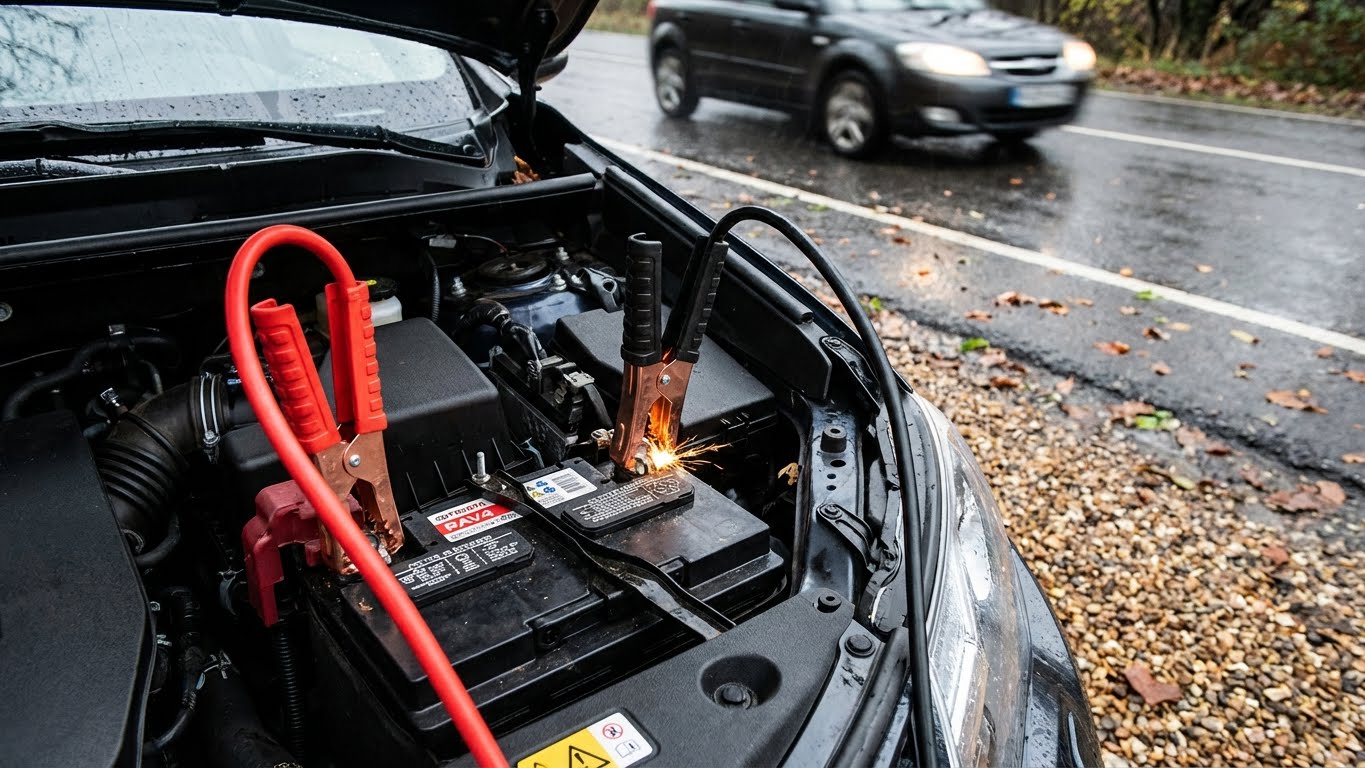
Jump starting is often the quickest way to fix a clicking noise caused by a weak battery. Use jumper cables and a second vehicle with a fully charged battery.
First, park the donor vehicle close enough so cables can reach both batteries but do not let the vehicles touch. Turn off both engines and all electrical accessories.
Connect the red (positive) cable to the positive terminal of the dead battery, then to the positive terminal of the donor battery. Next, connect the black (negative) cable to the negative terminal of the donor battery. Attach the other black clamp to an unpainted metal surface on the dead car’s engine block, away from the battery.
Start the donor vehicle and let it run for a few minutes. Then try starting the RAV4. Remove cables in reverse order once it starts, and avoid turning off the engine immediately to allow charging.
When to Consult a Professional Mechanic
If the Toyota RAV4 continues to make a clicking noise when trying to start, even after checking the battery and connections, it is time to seek professional help. A mechanic can properly diagnose the issue using the right tools.
Common signs that require expert attention include:
- Repeated clicking sounds without engine turnover
- Battery tests show good charge but the car still won’t start
- Evidence of corrosion or damaged wiring that cleaning doesn’t fix
- Issues with the starter motor or electrical system suspected
Some problems need experience and specialized equipment to identify. For example, starter motor failure or complex wiring faults may not be visible without professional testing.
Additionally, if the RAV4 has been exposed to extreme weather or sat idle for a long time, hidden damage could affect the starting system. A mechanic can evaluate these conditions and recommend repairs.
Attempting complex fixes without the right knowledge can cause more damage. When the basics like the battery and terminals have been checked, a qualified technician’s help ensures an accurate diagnosis and proper repair.
Preventing Future Starting Issues
Maintaining the Toyota RAV4’s starting system means focusing on key parts like the battery and electrical connections. Proper care helps avoid the clicking noise and no-start situations. Keeping these components in good shape is essential for trouble-free starts.
Regular Battery Maintenance
The battery is the most common source of starting problems. It should be checked regularly for charge and condition. Testing with a multimeter can show if the voltage is below normal levels. A healthy battery usually reads around 12.6 volts when the car is off.
Cleaning battery terminals helps prevent corrosion, which can block electrical flow. This includes removing dirt and applying a terminal protector. It’s also important to make sure battery cables are tight and free of damage.
Replacing the battery every 3 to 5 years, depending on use and climate, can stop unexpected failures. In cold weather, battery capacity can drop, so testing before winter is a good practice.
Scheduled Electrical Inspections
Regular inspections of the electrical system catch issues before they cause starting problems. This includes checking the starter motor, solenoid, and related wiring for wear or loose connections.
Technicians should look for frayed wires, damaged insulation, or corroded connectors. A weak starter relay or loose ground wires can cause the clicking noise without starting the engine.
Modern RAV4 models may have smart key and immobilizer systems. These also need to be checked, especially if the vehicle does not recognize the key or shows no spark.
Scheduling an electrical system check every 12 months or during major services helps keep all components working properly and reduces the risk of a no-start condition.
Cost Considerations and Repairs
When a Toyota RAV4 makes a clicking noise while starting, the repair costs can vary depending on the cause. The most common issue is a weak or failing battery. Replacing a battery generally costs between $100 and $200, including parts and labor.
If the battery is in good condition, the problem might lie in the starter motor or its electrical connections. Repairing or replacing a starter motor usually costs more, often ranging from $200 to $500.
Corrosion on battery terminals or poor wiring connections can also cause clicking noises. These issues are less expensive to fix, sometimes just cleaning and tightening terminals, which can cost under $100.
Here is a simple cost overview:
| Issue | Estimated Cost |
|---|---|
| Battery Replacement | $100 – $200 |
| Starter Motor Repair/Swap | $200 – $500 |
| Terminal Cleaning | Under $100 |
Labor costs vary by location, so prices may change depending on where the repair is done. Many shops charge a flat rate for diagnostics, around $90 to $100, to identify the exact cause.
It’s important to address clicking noises quickly, as they often indicate a starter or electrical issue that can lead to the vehicle not starting at all. Routine battery checks and terminal maintenance are cost-effective ways to avoid bigger repairs.
FAQs
Why does my Toyota RAV4 make a clicking noise when I try to start it?
The clicking sound often comes from the starter motor trying to engage but not getting enough power. This usually points to a weak or faulty battery, poor electrical connections, or issues with the starter itself.
Can a fully charged battery still cause the clicking noise?
Yes. Even if the battery reads as fully charged, dirty or corroded battery terminals can block power flow. It’s important to check battery connections and clean any corrosion. Starter motor problems can cause similar symptoms too.
Is it dangerous to keep trying to start the car with this noise?
Repeated attempts can strain the starter motor and battery. It’s better to diagnose the cause first to avoid further damage. If unsure, consulting a mechanic or using guides from sources like Toyota’s official service website can help.
Could weather cause this clicking issue?
Extreme cold can reduce battery performance and thicken engine oil, making starting harder. This may increase the chance of the clicking noise. Weather-related issues may resolve as temperatures improve but should be monitored.
How can one quickly fix this problem?
Basic steps include checking the battery’s charge, cleaning terminals, and ensuring all electrical connections are secure. If these do not work, the problem could be the starter motor or related components.
For more details on electrical system care and battery maintenance, sites like AutoZone offer useful tips.
Conclusion
When a Toyota RAV4 makes a clicking noise but won’t start, it usually points to an issue with the electrical or starting system. The most common cause is a weak or discharged battery. Checking the battery’s charge and connections is an important first step.
If the battery is good, the problem might be corrosion on the terminals or a poor connection to the starter. In some cases, the starter motor itself could be faulty. These parts should be inspected and tested to identify the exact cause.
Other less common causes include problems with the alternator or fuel delivery system. If the clicking noise happens only during cold starts, it could be related to the fuel pump or engine components.
Here is a list of key steps to diagnose the issue:
- Test the battery voltage
- Check battery terminals for corrosion
- Inspect starter and wiring connections
- Test the starter motor if needed
- Look into alternator performance
- Consider fuel system components if noise persists
Proper maintenance helps prevent these problems. Keeping the battery charged and clean, and replacing worn parts when necessary, can reduce the chance of hearing clicking noises on startup.
A quick check of these common issues usually fixes the problem without major repairs. Still, if the noise continues after basic troubleshooting, professional help is advised.