

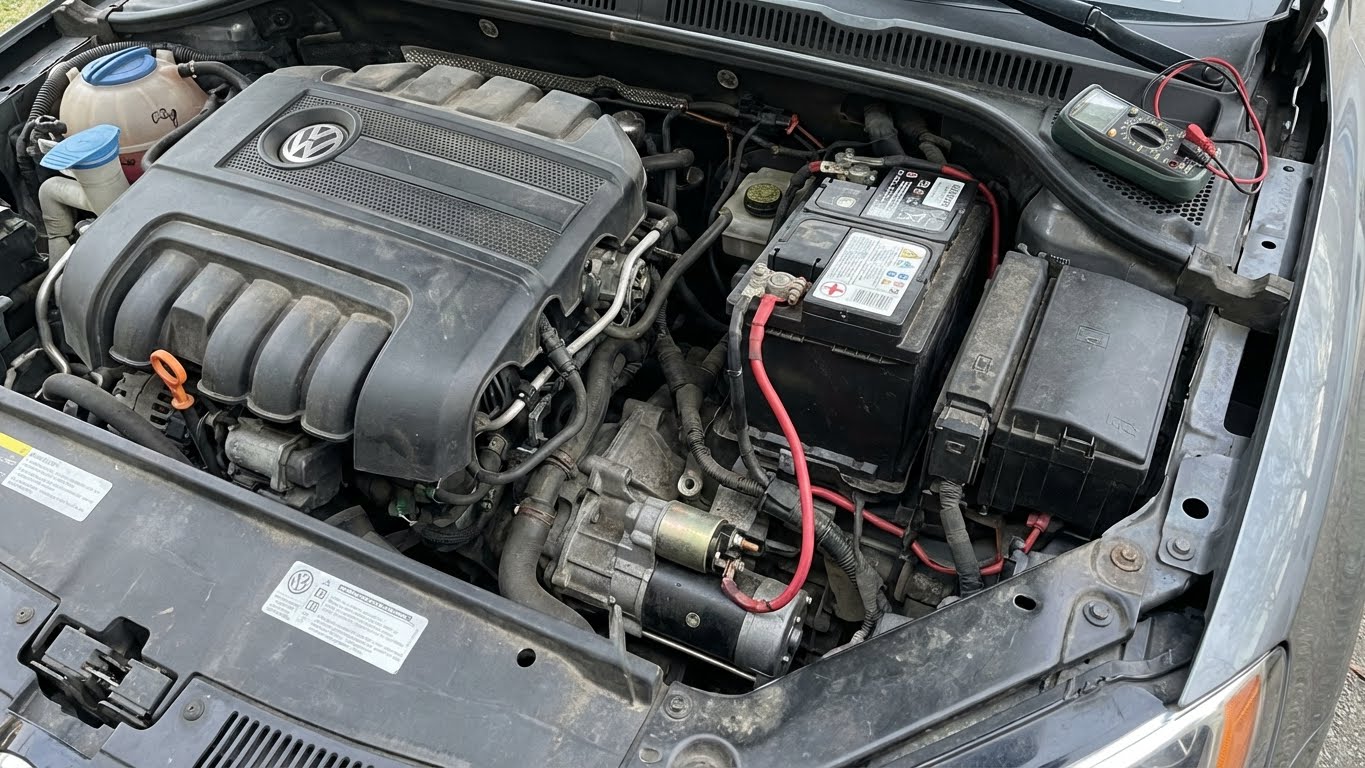
Volkswagen owners who hear a clicking noise when starting their car often worry about what it means. The most common cause of this clicking sound is a weak or dead battery, which prevents the starter motor from engaging fully. Other frequent issues include loose or corroded battery connections and problems with the starter itself.
If the battery and connections are in good shape, the problem may lie in the starter motor or electrical wiring. Diagnosing the exact cause early can save time and money, helping avoid a complete no-start situation.
Understanding why a Volkswagen clicks when trying to start helps owners know what steps to take next. This guide will cover common causes, simple fixes, and when to get professional help.
Key Takeways
- Clicking noise often signals battery or starter motor issues.
- Checking connections and electrical parts is important for diagnosis.
- Early attention can prevent more serious starting problems.
Contents
Common Causes of Volkswagen Clicking Noise When Starting
A clicking noise when starting a Volkswagen usually points to electrical or mechanical problems linked to the starting system. The most frequent reasons involve the battery, starter motor, or starter relay. Each of these parts plays a key role in getting the engine to turn over.
Weak or Dead Battery
A weak or dead battery is the top cause of clicking noises during startup. When the battery doesn’t have enough power, it can’t send the needed current to the starter motor. This results in the starter solenoid clicking without fully engaging the engine.
Common signs include dim lights or no lights at all when turning the key. Corrosion on battery terminals or loose connections can also reduce power flow, even if the battery voltage seems adequate. Testing the battery’s voltage and ensuring clean, tight connections often reveals the problem.
Jump-starting the car can temporarily fix the issue, but if the battery is old or damaged, it will need replacing to prevent repeated clicking and no-start situations.
Faulty Starter Motor
The starter motor turns the engine to start the car. When it fails, the solenoid inside may still click because it tries to engage, but the motor doesn’t spin the engine. This creates a rapid clicking or single click sound without the engine turning over.
Symptoms of a bad starter motor include a consistent clicking noise during attempts to start, sometimes paired with grinding sounds. A worn-out starter may also struggle to draw power properly, leading to electrical strain or dimming lights.
Diagnosing a faulty starter requires checking the motor itself and its electrical connections. Replacement is often necessary when testing shows it won’t operate correctly.
Bad Starter Relay
The starter relay acts as a switch, sending electrical current from the battery to the starter motor. If the relay is faulty, it may cause the solenoid to click without starting the engine.
Symptoms include intermittent clicking or complete failure to start, even when the battery is in good condition. The relay can fail due to internal wear or electrical faults.
Testing the starter relay with a multimeter can confirm if it’s working properly. Replacing a bad relay is usually straightforward and restores normal starting function.
Electrical System Issues
Issues in the electrical system are common causes of clicking noises when starting a Volkswagen. Problems often involve poor electrical connections that prevent enough power from reaching the starter motor. Fixing these connections usually resolves the problem quickly.
Corroded Battery Terminals
Corroded battery terminals reduce the flow of electricity from the battery to the starter. This corrosion appears as a white or blue powdery substance around the terminals. It can cause a weak current, which leads to the clicking noise during engine start attempts.
To fix it, the corrosion should be cleaned off using a mixture of baking soda and water. After cleaning, the terminals and cable clamps must be tightly reattached. If corrosion returns quickly, the battery cables might need replacement. Regular inspections can prevent buildup and ensure good electrical contact.
Loose or Damaged Wiring
Loose or damaged wiring in the starter circuit interrupts power flow, causing the starter solenoid to click but not turn the engine over. Wires can become loose from vibration or corrode over time, especially at connection points.
Technicians should inspect wiring for any frays, breaks, or poor connections. Tightening connectors and replacing damaged wires restores proper current flow. It is important to check grounding wires as well, since a poor ground can also cause starting issues. Proper electrical contact ensures the starter gets enough power to crank the engine.
Engine and Mechanical Problems
Clicking noises when starting a Volkswagen can point to issues deep within the engine or related mechanical parts. These problems often require inspection of moving components that may no longer operate smoothly or have suffered damage.
Seized Engine Components
When engine parts seize, they lock up and stop moving. This can happen due to lack of oil, overheating, or internal failure. A seized engine may produce rapid clicking sounds as the starter motor struggles but cannot turn the engine over.
Common seized parts include pistons, crankshaft bearings, or valves. Without proper lubrication, metal parts grind against each other and lock in place. This prevents the engine from rotating, causing the starter motor to make clicking noises without starting the engine.
Fixing this usually involves significant repair, including engine disassembly or replacement. It is important to check oil levels and engine condition regularly to avoid this issue.
Damaged Flywheel
The flywheel plays a key role in starting the engine by engaging with the starter motor. If the flywheel’s teeth are damaged, worn, or broken, the starter cannot properly engage. This results in repetitive clicking noises when attempting to start the car.
Damage may come from repeated failed starts or a faulty starter motor that slips during operation. Signs include uneven or missing teeth along the flywheel edge and noticeable resistance when trying to crank the engine.
Replacing or resurfacing the flywheel can solve this problem. Early detection through inspection reduces the risk of further damage to the starter or engine.
Diagnosis Process for Clicking Noises
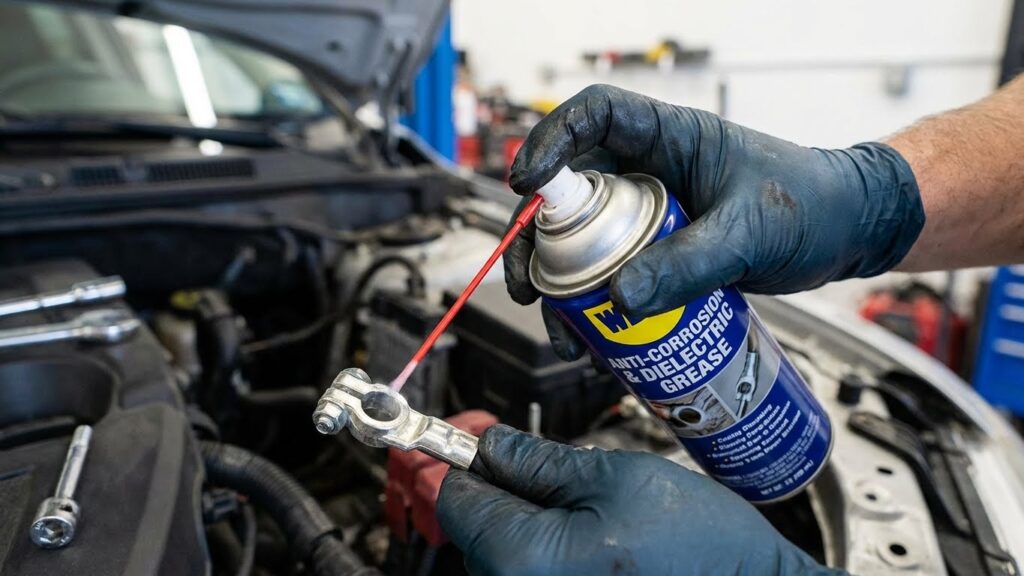
Identifying the cause of a clicking noise when starting a Volkswagen requires careful listening and testing. The process involves observing the exact timing of the sound and checking key components like the battery and starter motor.
Step-by-Step Troubleshooting
The first step is to pinpoint when the clicking happens. Is it during ignition, while the engine is running, or when using electrical accessories? This detail helps narrow down the cause. Next, physical checks can reveal loose wires or corrosion, especially around the battery terminals and starter connections.
It’s important to look for other signs such as dim lights or slow cranking, which often accompany a weak battery. Checking under the hood for any visible damage or buildup can also offer clues. Taking notes on the conditions when the clicking occurs makes the diagnosis clearer and guides the next steps.
Testing Battery and Starter
A weak or failing battery is the most common cause of clicking noises at startup in Volkswagens. Using a multimeter, the battery voltage should be measured. A fully charged battery typically reads around 12.6 volts or more. Anything below 12.0 volts signals a need for charging or replacement.
If the battery is good, the starter motor should be tested. This includes checking for a clicking noise directly from the starter solenoid, which may point to a faulty starter. Testing the starter can also involve jump-starting the car; if it starts without clicking afterward, the starter needs inspection or replacement.
Battery connections should also be cleaned and tightened to ensure proper electrical flow. These simple tests often identify the root cause of the clicking noise during startup.
Potential Solutions and Repairs
When a Volkswagen makes a clicking noise at startup, the issue often lies in worn parts or weak electrical connections. Fixing these problems requires careful inspection and targeted repairs.
Replacing Faulty Parts
A common cause of clicking noises is a faulty starter motor or solenoid. Over time, these parts can wear out and fail to engage properly. Replacing the starter motor or solenoid usually stops the clicking sound and restores normal engine starting.
Brake pads should also be checked if the clicking occurs while driving rather than starting. Worn pads can cause unusual noises but are unrelated to starting issues.
Battery replacement may be necessary if tests show the battery cannot hold charge or deliver enough power. Weak batteries are often the root cause of clicking without engine turnover.
Improving Electrical Connections
Loose or corroded battery terminals are frequent issues causing clicking sounds. Cleaning and tightening connections improve current flow and often solve the problem quickly.
Ground wires and starter cables should also be inspected for damage or corrosion. Reattaching or replacing faulty wiring ensures the electrical system delivers full power to the starter.
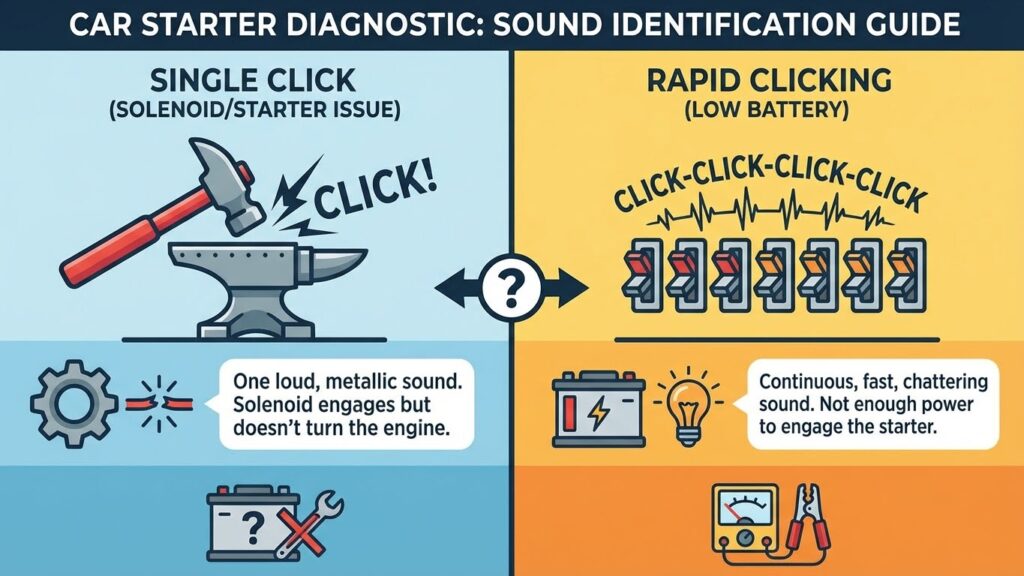
Applying anti-corrosion spray and proper maintenance of electrical contacts helps prevent future problems. Many clicking noises can be avoided with clean, secure connections.
When to Seek Professional Help
If the clicking noise persists despite basic troubleshooting, it may signal a deeper issue with the car’s electrical or mechanical systems. Recognizing when DIY fixes are not enough can save time and prevent further damage. Understanding repair costs and what to expect is also important before visiting a mechanic.
Identifying Unresolvable Issues
When a Volkswagen clicks but does not start, the problem often involves the battery, starter motor, or wiring. If the battery tests fine, terminals are clean, and there is still no start, the issue is likely more complex. Problems with the starter motor or internal engine components require specialized tools and knowledge to diagnose properly.
Repeated clicking without engine turnover suggests the starter motor may be failing or there could be wiring defects that are not visible. At this stage, attempts to fix the issue without professional help risk wasting time and causing further component wear. If visual checks fail, or the clicking continues after jump-starting or replacing the battery, seeking expert service is advised.
Costs and Considerations
Repair costs depend on the root cause. Battery replacement tends to be the least expensive, usually under $200. Starter motor repairs or replacements are more costly, ranging from $300 to $600 or more, depending on labor and parts.
Additional electrical work, such as fixing wiring or replacing a faulty ignition switch, can increase expenses. Mechanics may also identify other issues during inspection, influencing costs.
It’s wise to get an estimate before approving repairs. Choosing a trusted professional can ensure an accurate diagnosis and prevent unnecessary work. When unsure about the clicking cause, professional help offers a safer and more reliable solution.
Preventative Maintenance Tips for Volkswagen Owners
Maintaining a Volkswagen to avoid clicking noises when starting involves focused care on the battery and electrical system. These parts often cause the issue and need regular attention to keep the car running smoothly.
Regular Battery Checks
A weak or failing battery is the most common cause of clicking noises when starting a Volkswagen. Owners should test the battery voltage regularly, ideally every few months, especially before extreme weather seasons. A healthy battery should read around 12.6 volts when the car is off.
Battery terminals must be clean and free of corrosion. Corroded terminals can block power flow and cause starting problems. Cleaning terminals with a mixture of baking soda and water, followed by tightening connections, helps maintain a strong electrical current.
Replacing an old battery before it fully dies can prevent unexpected starting issues. Most car batteries last about 3 to 5 years. Keeping a battery in good condition reduces the chance of hearing clicking sounds when attempting to start.
Inspecting Electrical Components
Besides the battery, corrosion or loose wiring on starter connections can cause clicking sounds. Regular inspection of the starter motor’s electrical connections is crucial. Loose wires or poor ground connections often create insufficient power flow.
Volkswagen owners should check for any damaged wires or frayed insulation around the battery and starter. Using dielectric grease on terminals can help prevent corrosion. Ensuring all clips and connectors are secure reduces electrical resistance and prevents click noises.
It is also important to inspect fuses related to the starting system. A blown fuse can mimic symptoms of a bad starter, including clicking noises. Replacing faulty fuses quickly keeps the starting system reliable and avoids unnecessary repairs.
FAQs
Why does my Volkswagen make a clicking noise when starting?
A clicking noise usually means the starter motor is not getting enough power. This is often due to a weak battery, poor battery connections, or a faulty starter. Checking the battery and terminals first is a good step.
Can a dead battery cause my car to click but not start?
Yes. A dead or weak battery is the most common reason for this problem. If the battery can’t supply enough power, the starter will make a clicking sound without cranking the engine. Testing the battery voltage or jump-starting the car can confirm this.
Is it safe to keep trying to start my car when it clicks?
Repeatedly trying to start the car can drain the battery further and damage the starter. It is better to diagnose or get help quickly. A quick guide on battery and starter testing can be found on YourMechanic for more details.
What other problems could cause my VW to click and not start?
Aside from battery issues, loose or corroded battery terminals, bad starter motor, or a faulty solenoid can cause clicking. Poor ground connections may also prevent the starter from working properly.
How can someone quickly check the problem?
Start by inspecting the battery terminals for corrosion or looseness. Using a multimeter can show the battery’s charge level. If the battery is fine, the starter or wiring should be checked next. Automotive forums and repair manuals provide step-by-step troubleshooting tips.
For more info about common starter and battery problems, visit the Car Care Council site.
Conclusion
A clicking noise when starting a Volkswagen often points to issues within the starting system. The most common cause is a weak or dead battery. Corroded or loose battery terminals can also prevent the car from starting despite the lights coming on.
The starter motor itself can be faulty. If the starter gear cannot engage the flywheel properly, it produces a clicking sound. This might mean a worn starter or poor electrical connections near the starter.
Diagnosing the problem involves checking the battery charge first. If the battery is fine, inspecting cables and terminals for corrosion or loose connections is next. If those parts are sound, attention should shift to the starter motor.
Key points to check:
- Battery condition and charge
- Battery terminals and cables for corrosion
- Starter motor function and connections
Each of these can cause the clicking sound without the engine turning over. Simple fixes like cleaning terminals or charging the battery often solve the issue. More complex problems, like a bad starter motor, might require professional repair or replacement.
Ignoring the clicking noise can lead to more serious starting failures. Addressing the cause early helps keep the Volkswagen reliable and easy to start in daily driving.