

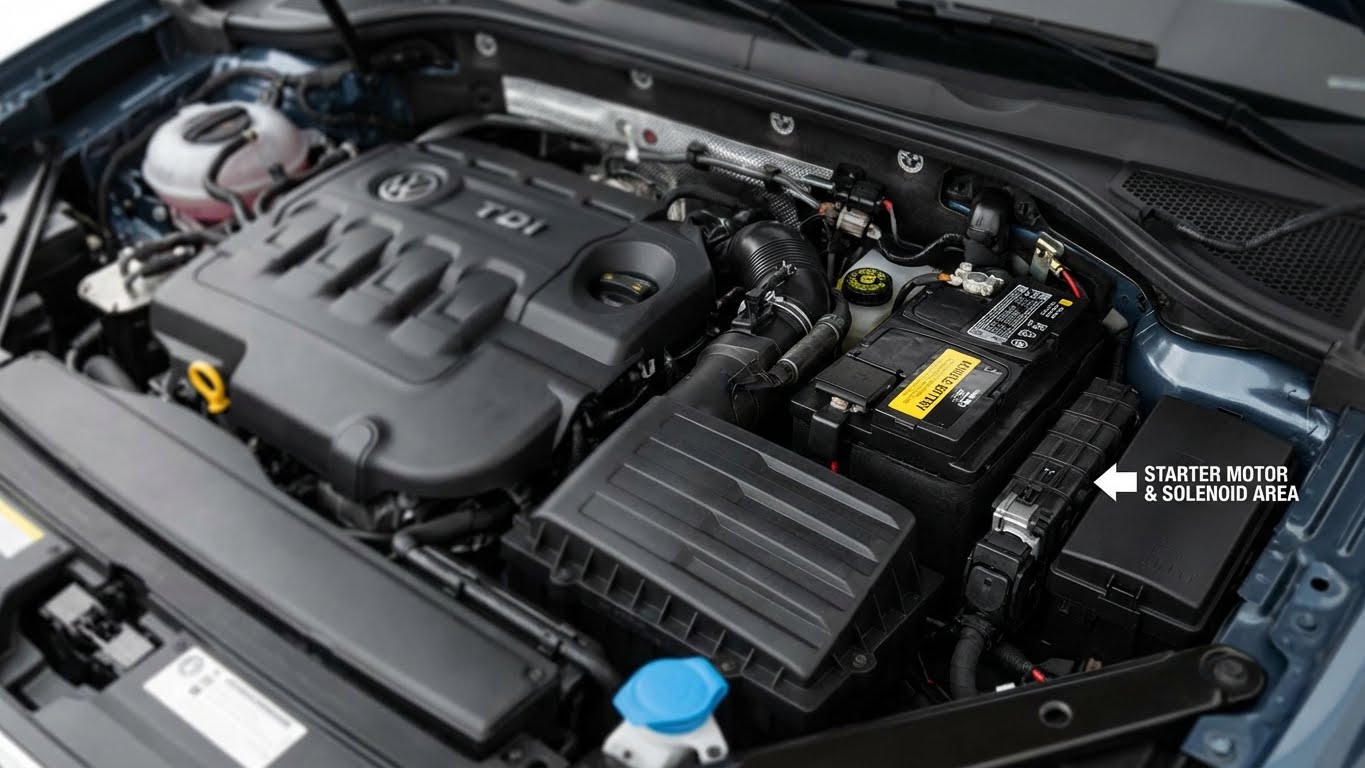
Many Volkswagen Atlas owners notice a clicking noise when trying to start their vehicle. This sound usually points to common issues like a weak battery, poor electrical connections, or a failing starter. These problems prevent the engine from turning over properly, causing the clicking sound without the engine starting.
Sometimes, the clicking is caused by corrosion on the battery terminals or bad grounding, which disrupts the electrical flow. Other times, it might be related to mechanical parts like the starter motor or issues inside the engine, but these are less common. Understanding the cause helps drivers avoid unnecessary repairs and focus on quick, effective solutions.
Identifying the exact reason for the clicking sound can be straightforward with basic checks and tests. This guide will help readers recognize common symptoms, diagnose issues, and know when it’s time to get professional help.
Key Takeways
- Battery and electrical connections are often the main cause of clicking noises.
- Mechanical starter problems can also lead to clicking when starting.
- Early diagnosis and simple maintenance usually fix the issue quickly.
Contents
- 1 Common Causes of Volkswagen Atlas Clicking Noises When Starting
- 2 Diagnosing Clicking Noises in the VW Atlas
- 3 Electrical System Checks
- 4 Mechanical Causes Behind Clicking Noises
- 5 Repair and Troubleshooting Steps
- 6 Preventive Maintenance Tips for the VW Atlas
- 7 When to Seek Advanced Diagnostic Support
- 8 FAQs
- 9 Conclusion
Common Causes of Volkswagen Atlas Clicking Noises When Starting
Clicking noises during starting in a Volkswagen Atlas usually point to specific electrical or mechanical problems. These noises often happen because of issues with the battery, starter motor, or electrical components like relays and fuses. Understanding these common causes helps narrow down the source of the problem.
Battery Issues
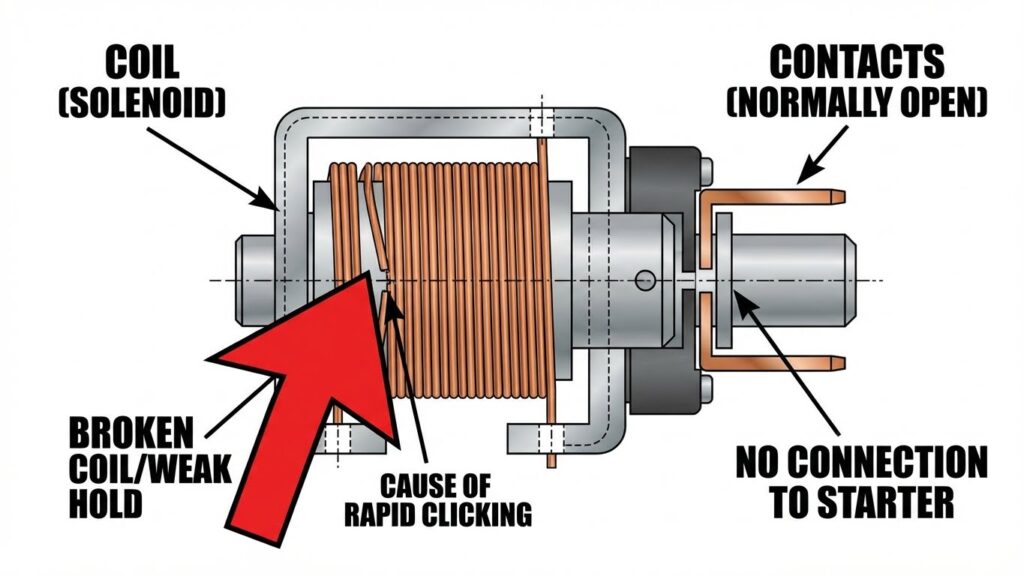
A weak or dead battery is the most frequent cause of clicking noises when trying to start a Volkswagen Atlas. When the battery voltage is too low, it cannot provide enough power to turn the starter motor fully. This results in a rapid clicking sound as the starter solenoid tries to engage repeatedly but fails.
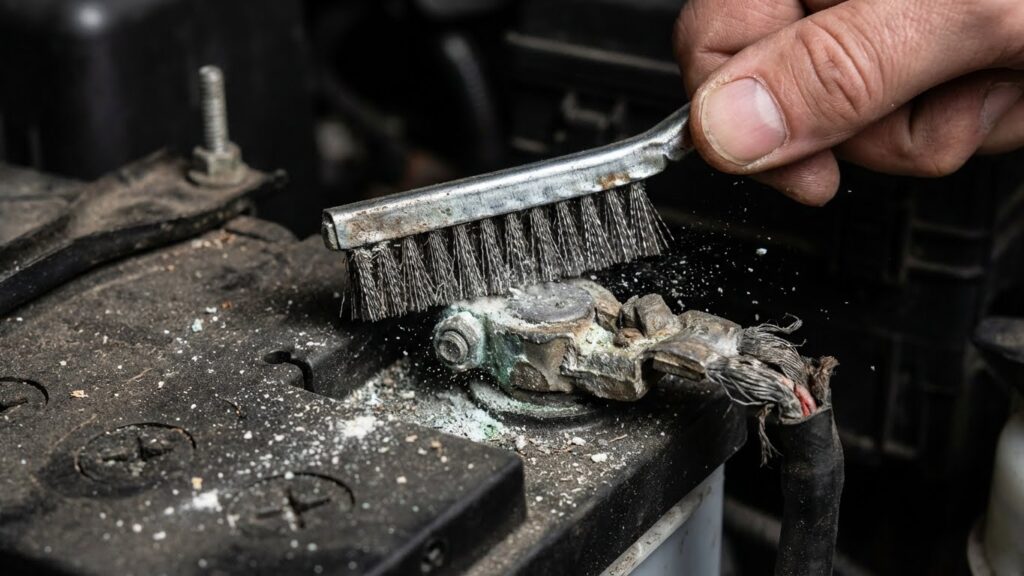
Corrosion or loose connections on the battery terminals can also lead to clicking. These conditions reduce the electrical flow needed to start the engine. It is important to check battery cables for tightness and clean any corrosion found on the terminals.
In some cases, an undersized or old battery may struggle to handle the car’s start/stop system demands, draining power quickly without warning. Testing the battery with a multimeter or getting a professional inspection can determine if the battery needs replacing.
Starter Motor Failures
The starter motor is responsible for cranking the engine and initiating combustion. If the motor or its internal parts, like the solenoid or gears, fail or become worn out, it can cause clicking noises during starting.
Common starter motor problems include a faulty solenoid, which makes the clicking sound as it tries to engage but doesn’t deliver enough power to turn the motor shaft. Misaligned or damaged gears between the starter and flywheel may also cause grinding or inconsistent engagement, leading to clicking or failure to start.
A failing starter often requires testing and may need repair or replacement. Symptoms include repeated clicking noises, slow cranking, or no crank at all despite a healthy battery.
Relay or Fuse Problems
Electrical relays and fuses control power flow to the starter motor and ignition system. If a relay is stuck or a fuse is blown, the starter might receive insufficient power, causing clicking noises.
A bad starter relay can cause rapid clicking since it attempts to send current to the starter but fails to maintain the connection. Similarly, a blown fuse in the starting circuit interrupts power supply, preventing the engine from cranking despite audible clicks.
Checking these components involves inspecting fuses visually and testing relays with a multimeter or swapping with known good parts. These fixes are often simple but critical to restoring normal starting operation.
Diagnosing Clicking Noises in the VW Atlas
Clicking noises when starting a VW Atlas can be caused by various issues. Proper diagnosis involves a step-by-step process to pinpoint whether it’s an electrical, mechanical, or interior component problem. Accurate identification is key to deciding the right repair approach.
Initial Inspection Procedures
The first step is to check the battery’s condition and connections. A weak or discharged battery often causes a clicking noise without the engine turning over. Inspect battery terminals for corrosion or loose wires, as poor connections can interrupt power flow.
Next, examine the starter motor and its wiring. A faulty starter or bad electrical connection may lead to repeated clicking noises. It’s important to confirm the car’s lights and dashboard electronics work normally, indicating the battery has some charge.
Additionally, consider environmental factors like cold weather that may affect battery performance or mechanical parts during startup.
Identifying the Sound Source
Locating where the clicking noise comes from helps narrow down the problem. Clicking from under the dashboard, especially on the passenger side, could be related to interior components or electrical relays.
If the noise originates from the engine bay near the starter, it’s likely tied to the starter motor or battery. Mechanical noises closer to the engine, such as ticking or tapping on startup, might suggest lifter or timing chain issues.
Owners often report plastic-like sounds near the front passenger pillar or dashboard. Differentiating between electronic, mechanical, and interior rattles is essential.
Utilizing Diagnostic Tools
Using diagnostic tools speeds up the identification process. A multimeter can test battery voltage and starter circuit continuity. Reading trouble codes with an OBD-II scanner can reveal starter or battery-related errors.
Physical inspection tools like a mechanic’s stethoscope help pinpoint engine or relay noises. Thermal cameras may detect overheating components, such as a failing starter.
Performing load tests on the battery and starter gives clear data on their performance. These measured results guide technicians toward precise repairs without guessing.
Electrical System Checks
When a VW Atlas makes a clicking noise but doesn’t start, the problem often lies in the electrical system. It’s important to check the battery voltage first and then inspect the wiring connections for any corrosion or loose contacts.
Testing the Battery Voltage
A weak or dead battery is the most common cause of clicking sounds during startup. Using a multimeter, the battery voltage should be checked. A fully charged 12V battery typically reads around 12.6 volts when the car is off. If the voltage is below 12.4 volts, the battery may be weak or failing.
Testing while attempting to start the engine is also important. Voltage can drop under load, and if it falls below 9.6 volts, the battery might not have enough power to engage the starter motor properly.
Tips for testing:
- Ensure battery terminals are clean and tightly connected.
- Measure voltage at the battery terminals, not at the engine or starter.
- Repeat the test after charging or jump-starting the battery to confirm improvement.
Inspecting Wiring Connections
Loose, corroded, or damaged wiring often causes poor electrical flow and clicking noises. Battery terminals, cable clamps, and ground connections should be closely inspected.
Corrosion usually appears as white or bluish powdery deposits on terminals. This reduces conductivity and may prevent the starter from working correctly.
Checklist for wiring inspection:
- Clean battery terminals and cable ends with a wire brush.
- Check tightly secured cables at both battery and starter motor.
- Look for broken, frayed, or pinched wires along the cable run.
- Confirm that ground wires connecting the battery to the chassis are secure and free of rust.
Maintaining clean and solid wiring connections improves electrical flow, preventing starting problems related to the clicking noise.
Mechanical Causes Behind Clicking Noises
Clicking noises when starting a VW Atlas often point to issues within the starting system or engine components. These noises can indicate where the problem lies and guide effective repairs.
Faulty Solenoid
The solenoid is a key part of the starter system. It acts like a switch, sending power from the battery to the starter motor. If the solenoid is faulty, it may produce a rapid clicking noise when the key is turned. This happens because the solenoid tries to engage but cannot complete the connection.
Common causes of solenoid failure include worn contacts or low voltage from the battery. Corrosion on the terminals can also prevent it from working properly. Testing the solenoid with a multimeter can confirm if it is stuck or defective.
If the solenoid clicks but the engine doesn’t turn over, replacement or repair of the solenoid is usually required. This fix restores proper electrical flow and startup function.
Engine Component Issues
Clicking noises may also come from inside the engine itself. Problems with hydraulic lifters, timing chain tensioners, or worn valve components can cause tapping or clicking sounds during startup.
Hydraulic lifters rely on proper oil pressure to work quietly. If oil is low or dirty, lifters may produce noise. Timing chain tensioners can also wear out, creating rhythmic clicking as the chain loses tension.
An engine ticking noise that starts at ignition and continues while running often points to these internal parts. Oil changes and inspections help diagnose these issues. In some cases, parts like lifters or tensioners need replacement to stop the clicking.
Repair and Troubleshooting Steps
To fix a VW Atlas clicking noise when starting, it is important to check key components such as the battery, starter, and electrical connections. Testing and cleaning these parts often solves the problem. If parts are worn or damaged, they may need replacement.
Replacing Faulty Parts
A weak or dead battery is the most common cause of clicking noises. The battery should be tested first with a multimeter to check voltage. Cleaning battery terminals can remove corrosion that blocks power flow. If the battery is old or fails the test, it must be replaced.
The starter motor can also cause clicking if it fails to engage. Signs of a bad starter include repeated clicking sounds with no engine crank. Replacing the starter or the solenoid often solves the issue.
Worn or loose wiring and poor ground connections can interrupt electrical flow. Inspect all wiring to the starter and battery, tightening or replacing damaged cables. Proper electrical contact is essential for reliable starting.
Professional Mechanic Recommendations
If basic checks do not fix the clicking noise, a professional mechanic should inspect the vehicle. They can perform advanced diagnostics to find hidden electrical faults or starter motor issues.
Mechanics use specialized tools to test the starter, battery under load, and ground connections more precisely. They can also check for ECU faults or issues with the ignition system, which might cause no-crank problems with clicking sounds.
Regular maintenance, such as timely battery replacement and cleaning of terminals, is advised by professionals to avoid these issues. Seeking professional help ensures safer and more accurate troubleshooting without risking damage to the vehicle.
Preventive Maintenance Tips for the VW Atlas
Keeping the VW Atlas free from clicking noises during startup often depends on maintaining key components in good condition. Focusing on the battery’s health and the vehicle’s electrical connections can reduce most common causes of starting issues.
Routine Battery Checks
The battery’s condition is critical to prevent clicking noises when starting the VW Atlas. A weak or failing battery often causes rapid clicking sounds and a no-start condition. It is important to check battery voltage regularly, especially before cold seasons when battery power tends to drop.
Owners should look for signs like slow engine crank or dim lights, which can indicate low battery charge. Cleaning battery terminals and cable clamps helps prevent corrosion that can block power flow. Using a voltmeter, the battery should maintain at least 12.4 volts when the vehicle is off. Testing the battery under load is also recommended to ensure it holds power well.
Replacing the battery every 3 to 5 years or as soon as performance drops can avoid unexpected failures. Keeping the battery fully charged, especially after short drives, supports proper engine starts.
Regular Electrical Inspections
Corroded or loose electrical connections often cause clicking noises by interrupting the power flow to the starter motor. Inspecting the wiring harness, battery terminals, and ground connections helps keep the electrical system reliable.
Technicians should check that all connectors are secure and free of rust or dirt. Ground wires should be tight and clean to prevent bad grounding, which can mimic starter or battery failure. It is also useful to check the starter relay and fuses linked to the ignition system.
Periodically inspecting the starter motor itself ensures it is receiving clean, constant power. Addressing minor electrical faults early can prevent a clicking noise and no-crank conditions during startup.
When to Seek Advanced Diagnostic Support
If the VW Atlas makes a clicking noise but still does not start after checking basic issues like the battery or starter connections, it is time to seek professional help. Persistent clicking without improvement often signals deeper electrical or mechanical problems.
Advanced diagnostics are needed when the clicking sound is accompanied by other symptoms, such as:
- Dashboard lights flickering or behaving erratically
- Complete no-crank condition despite good battery voltage
- Intermittent starting failures that occur randomly
These signs can indicate issues with the starter motor, engine control unit (ECU), or wiring faults that require specialized tools to diagnose.
Also, if there are unusual clicking sounds inside the cabin or under the dashboard not linked to engine start attempts, a trained technician should inspect the vehicle. These noises could be related to internal parts, relays, or modules involving complex systems.
Attempting repairs beyond battery or terminal cleaning without proper knowledge can lead to further damage. Experienced mechanics will use diagnostic scanners, electrical tests, and physical inspections to pinpoint the problem accurately.
If the VW Atlas is still under warranty, owners should consider visiting an authorized service center early. Some problems may be covered, and professional diagnostics will ensure safe, effective repairs.
FAQs
Why does a VW Atlas make a clicking noise when starting?
The clicking noise usually means the starter motor can’t engage properly. Common causes include a weak battery, corroded battery terminals, or a poor connection in the starter system. Sometimes, a bad ground or a failing starter relay can also cause this issue.
Can a weak battery cause the clicking sound?
Yes, a weak or dead battery is the most common reason for the clicking noise. When the battery lacks enough power, the starter motor won’t spin, but you will hear a rapid clicking sound. It’s important to test the battery and clean terminals to ensure good contact.
What should be checked if the battery is fine?
If the battery and connections are good, the starter motor itself or the electrical connections to it may need inspection. A faulty starter or a bad ground connection can prevent the engine from turning over. Sometimes, the issue could be a damaged solenoid or a relay stuck in the starter system.
Is the clicking sound always related to the starter?
Mostly yes, but sometimes it could be related to other systems. For example, internal noises like plastic clicks under the dashboard could suggest an unrelated issue. For technical details, sites like the official VW support or Car Care Council offer useful diagnostic tips.
How can one prevent clicking noise or start failures?
Regular battery maintenance and cleaning terminals can help. Also, having the starter inspected regularly ensures it’s in good condition. Timely oil changes may prevent engine timing issues, which rarely cause clicking but are good for overall vehicle health.
Conclusion
A clicking noise when starting a VW Atlas often points to electrical or mechanical issues. The most common reason is a weak or dead battery. Corroded battery terminals or poor starter connections may also cause this problem.
In some cases, the starter motor itself could be failing. A high-pitched click or grinding noise usually signals starter motor trouble. Mechanical parts like hydraulic lifters or timing chain tensioners might also cause clicking but typically present differently.
To help diagnose, checking the battery’s charge and cleaning battery terminals are good first steps. Testing the starter and inspecting wiring will narrow down the cause.
| Common Causes | Symptoms | Basic Fixes |
|---|---|---|
| Weak Battery | Clicking noise, no crank | Charge or replace battery |
| Corroded Terminals | Intermittent clicks | Clean battery terminals |
| Starter Motor Failure | Grinding or multiple clicks | Replace starter motor |
| Mechanical Wear | Tapping noise with acceleration | Inspect lifters, chain tensioners |
If the clicking continues after these checks, a professional diagnosis is advised. Electronic control unit (ECU) faults or deeper mechanical issues can be harder to identify without tools.
Routine maintenance like regular battery care and oil changes can help prevent these problems. Timely repairs reduce the risk of further damage to the vehicle’s starting system.