

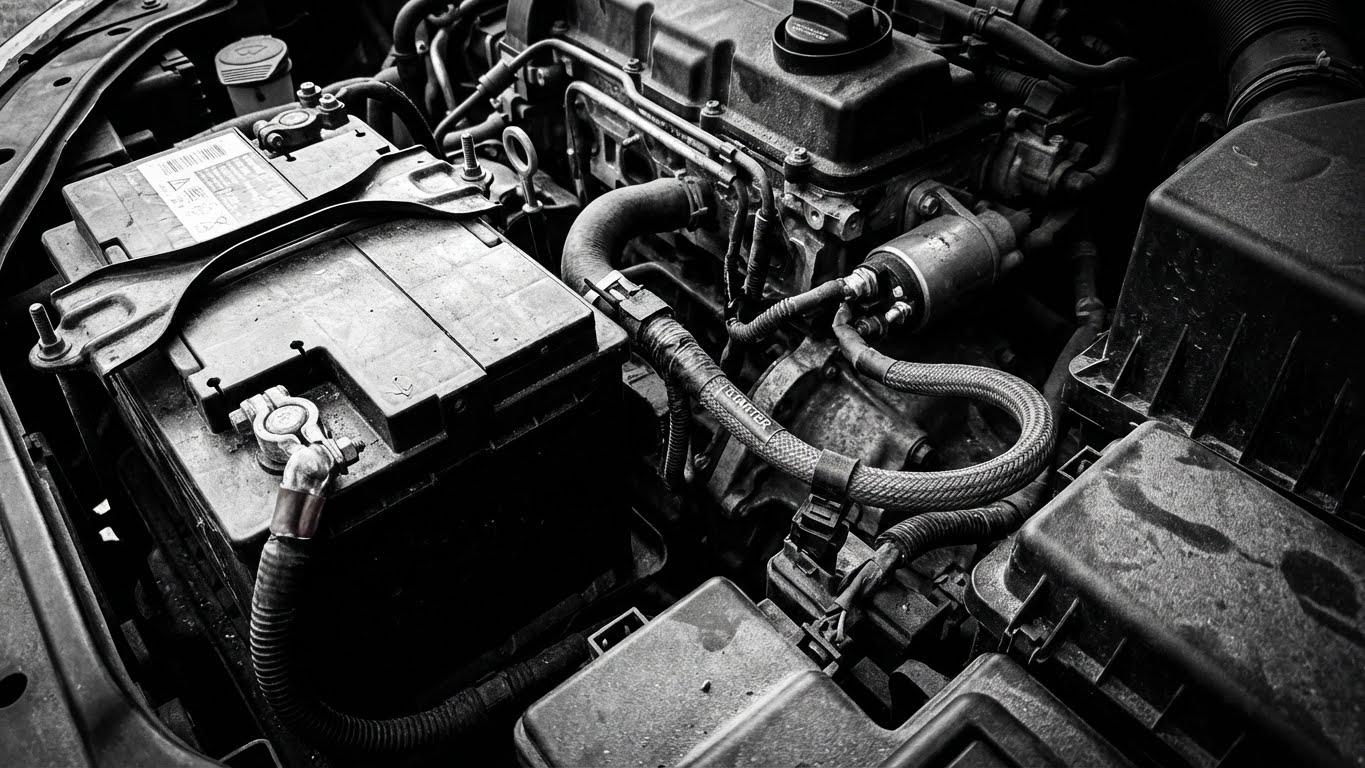
Many VW Jetta owners encounter a clicking noise when trying to start their engine. This clicking sound usually means the starter motor is not getting enough power, often caused by a weak battery, corroded connections, or a faulty starter. Understanding this common issue helps drivers quickly identify the problem and take the right steps to fix it.
The clicking noise is a sign that the engine is not turning over, even though the electrical system might still seem active. There can be several reasons behind this, such as a tired battery, loose cables, or a defective starter motor. Knowing what to check can save time and avoid unnecessary repairs.
This article will guide readers through the most common causes of the clicking sound, how to diagnose it, and practical tips to solve the problem or know when to ask for professional help.
Key Takeways
- Clicking usually means low power reaching the starter motor.
- Battery and connection issues are the most frequent cause.
- Proper diagnosis can prevent costly repairs.
Contents
- 1 Common Causes of Clicking Noise When Starting a VW Jetta
- 2 Diagnosing the Clicking Sound
- 3 Battery and Electrical System Issues
- 4 Starter Motor Troubles
- 5 Engine Mechanical Concerns
- 6 VW Jetta-Specific Considerations
- 7 Prevention and Maintenance Tips
- 8 When to Consult a Professional Mechanic
- 9 Conclusion
- 10 FAQs
- 11 Conclusion
Common Causes of Clicking Noise When Starting a VW Jetta
A clicking noise when starting a VW Jetta usually points to a specific mechanical or electrical problem. It often means that the engine is not turning over, even though power is trying to activate the starter. Several parts can cause this issue, mostly related to the battery, starter, or electrical connections.
Dead or Weak Battery
The most frequent cause of a clicking noise is a dead or weak battery. When the battery doesn’t hold enough charge, it cannot provide the power needed to turn the starter motor. This leads to a rapid clicking as the starter solenoid attempts to engage but fails.
Corrosion on battery terminals or loose clamps can also reduce power flow. Even if the battery looks okay, testing voltage is important because low battery power can make the engine lights dim during the attempt to start. Jump-starting the car often fixes this if the battery is the issue.
Faulty Starter Motor
If the battery is in good condition, the problem might lie with the starter motor. The starter is responsible for turning the engine over when the key turns. A worn or damaged starter gear can cause the clicking sound because it fails to engage properly.
A bad starter solenoid can also produce clicking noises. The solenoid acts as a relay to deliver electricity to the starter. When it malfunctions, it makes the clicking sound but doesn’t allow full power to reach the starter motor. Replacing the starter motor or solenoid resolves this issue.
Bad Electrical Connections
Loose, corroded, or damaged electrical connections are another common cause. The battery cables, starter wiring, and ground wires all play a role in delivering power. If these wires are dirty or not connected tightly, power may not reach the starter fully.
Corrosion on battery terminals or poor grounding can cause intermittent clicking. Checking and cleaning all electrical connections ensures proper conductivity. Even if fuses seem fine, testing with a multimeter can help spot hidden electrical faults that cause clicking.
Worn Out Ignition Switch
The ignition switch controls power to the starter system. Over time, its internal contacts wear out, preventing the starter from receiving the signal to engage. This causes the starter to click without turning the engine over.
Symptoms of a worn ignition switch include inconsistent clicking noise or no response at all when turning the key. Diagnosing the ignition switch requires electrical testing, and replacement is usually the best fix. A faulty ignition switch can mimic battery or starter problems but is often overlooked.
Diagnosing the Clicking Sound
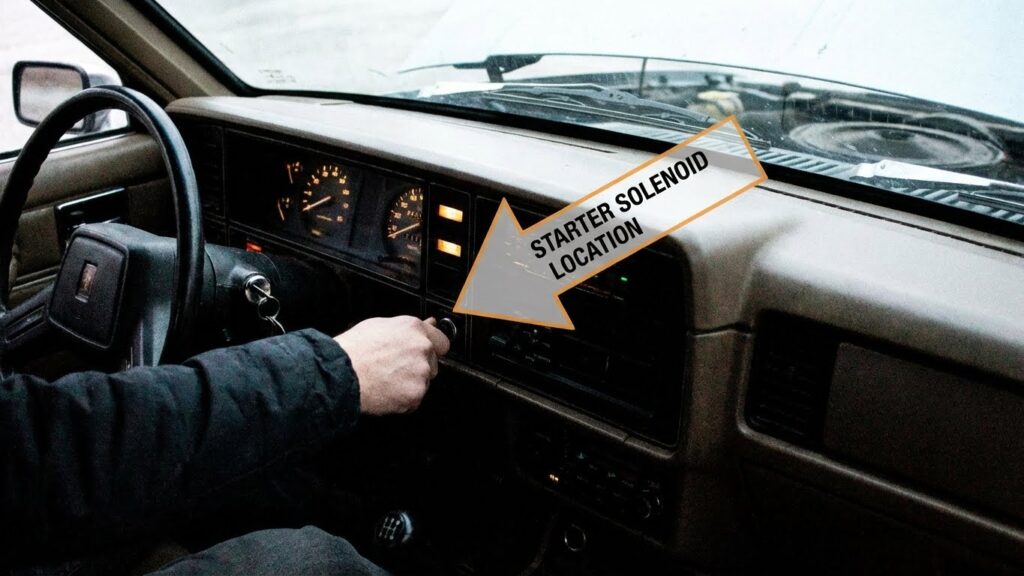
When a VW Jetta makes a clicking noise during startup, the cause often lies with the battery, starter relay, or the pattern of the sound itself. Checking these specific areas helps pinpoint the issue quickly and avoids unnecessary repairs.
Identifying Single Click vs. Repeated Clicking
A single click usually means the starter motor is trying to engage but cannot turn the engine over. This often points to problems in the starter itself or electrical connections.
Repeated clicking, on the other hand, is commonly due to insufficient battery power. The rapid clicks happen as the starter relay cycles on and off trying to send power to the starter. It can also indicate poor cable connections or corrosion at the battery terminals.
Noting the clicking pattern is crucial. A one-time click might require testing the starter motor. Multiple clicks often mean the battery voltage is low or the battery terminals need cleaning.
Checking Battery Voltage
The battery must have sufficient voltage to power the starter motor and ignition system. A fully charged 12-volt battery should read around 12.6 volts when the engine is off.
If the voltage drops below 12 volts, the battery is likely weak or failing. Use a multimeter to measure voltage directly at the battery terminals.
Also, inspect the battery terminals for corrosion or loose connections. Corroded terminals can reduce current flow even if the battery is good. Cleaning the terminals and tightening the cables often resolves starting issues.
Inspecting Starter Relay
The starter relay controls the electrical current sent to the starter motor. If it fails, the motor won’t receive power, causing a clicking sound as it tries to engage.
Testing the relay involves listening for a click when the key turns to the start position. If no click occurs and the battery is good, the relay may be faulty.
Swapping the relay with a known good one or testing with a multimeter helps identify relay problems. Checking wiring connections to the relay and starter is also important. Faulty grounds or broken wires can cause the same clicking issue.
Battery and Electrical System Issues
A clicking noise when starting a VW Jetta often points to problems with the battery or the electrical system. Checking the connection points and the charging system can uncover the root cause of the issue quickly.
Corroded or Loose Battery Terminals
Loose or corroded terminals reduce the flow of electricity from the battery to the starter motor. When this happens, the battery might have enough power, but poor connections cause the engine to struggle or fail to start. Signs include dim dashboard lights and a rapid clicking noise when turning the key.
Cleaning the terminals with a wire brush and tightening the clamps can restore a solid electrical path. It’s important to inspect both the positive and negative battery terminals, along with ground straps near the battery or chassis. If corrosion is severe, terminal replacement might be necessary.
Alternator Failure
The alternator charges the battery while the engine runs. If it fails, the battery will drain quickly. This can cause a clicking noise at startup since the battery lacks enough power to turn the engine over.
Symptoms of a bad alternator include flickering headlights, dim interior lights, and electrical parts working intermittently. Testing the alternator with a multimeter can confirm if it is charging properly. Replacing a faulty alternator is crucial to prevent repeated battery failure and starting issues.
Starter Motor Troubles
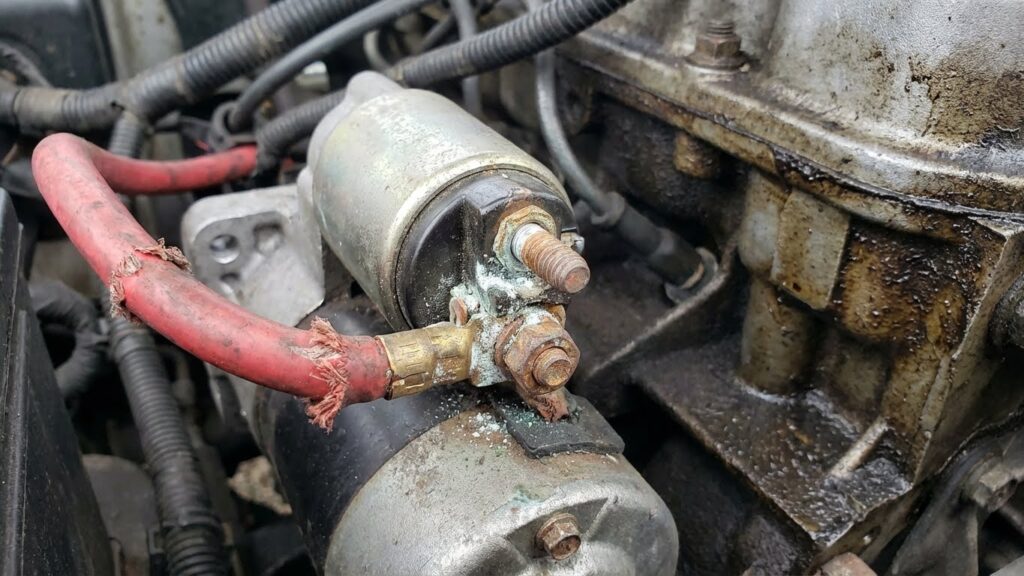
Issues with the starter motor often cause the clicking noise when turning the key. Problems like worn internal parts or damaged gears can prevent the engine from turning over, even if the battery and electrical connections are good.
Worn Starter Solenoid
The starter solenoid is a small, vital part that acts like a switch to send power from the battery to the starter motor. When it wears out, it can cause repeated clicking sounds as it tries but fails to engage fully.
A worn solenoid fails to push the starter gear properly against the engine’s flywheel. This results in a lack of engine cranking, despite the relay clicking. Signs of solenoid issues include rapid clicking with no engine movement or only slow cranking.
Replacement of the solenoid usually solves the problem, but testing with a multimeter or listening for the exact type of click can help diagnose if the solenoid is at fault.
Damaged Starter Drive Gear
The starter drive gear, also known as the Bendix gear, physically turns the engine’s flywheel to start it. If the gear is damaged or worn down, it won’t engage correctly, causing a clicking noise but no engine crank.
This gear can wear out from repeated use or if the solenoid pushes it incorrectly. Damage might show as teeth that are chipped or smooth areas that prevent proper grip.
Symptoms include a single or repeating click while trying to start, sometimes accompanied by a grinding noise as the gear slips. The gear must be replaced to restore normal starting function.
Engine Mechanical Concerns
Some engine problems cause clicking noises when starting. These issues usually result from parts inside the engine not moving as they should, preventing the engine from turning over properly.
Jammed Flywheel
A jammed flywheel stops the engine from starting by preventing the crankshaft from rotating. The flywheel connects to the starter motor and is crucial for starting the engine. If teeth on the flywheel are damaged or the flywheel itself is stuck, the starter will make a clicking sound but fail to turn the engine.
This problem may be caused by wear, damage from hitting road debris, or a faulty starter gear not engaging correctly. The clicking noise happens because the starter motor tries but cannot turn the engine. Fixing this often requires inspecting the flywheel and sometimes replacing it or the starter motor.
Hydrolocked Engine
A hydrolocked engine occurs when liquid, usually water or coolant, fills the engine cylinders. Since liquids cannot compress like air, the engine cannot turn over, causing a rapid clicking noise when trying to start. This situation can happen after driving through deep water or from internal leaks.
Hydrolock can cause serious engine damage if not addressed quickly. The engine may need to be drained and dried thoroughly before attempting to start again. In some cases, mechanical parts such as pistons or rods may need repair if damaged by the liquid inside the cylinders.
VW Jetta-Specific Considerations
Certain factors unique to the VW Jetta can affect why it makes a clicking noise when starting. These include changes in electrical system design across model years and specific recalls or service bulletins that address related issues.
Model Year Electrical Variations
Different Jetta model years have variations in their electrical systems that impact starting performance. Older models, particularly those before 2010, often use simpler starter and battery setups. These can be more prone to battery terminal corrosion and weak batteries, leading to the common clicking noise during startup.
Newer models include updated starter motors and improved wiring harnesses. These changes reduce some common issues but add complexity. For example, models around 2015 and later may use electronic ignition switches or smart key systems. If these components malfunction, they can cause clicking noises without the engine turning over.
Owners should check the battery health and terminal condition first. Understanding the electrical setup specific to their year model can help narrow down the cause quickly.
Known Recalls and Technical Service Bulletins
Volkswagen has issued recalls and Technical Service Bulletins (TSBs) related to starting issues in the Jetta. Some TSBs address faulty starter motors or wiring problems that cause clicking noises.
For example, certain 2005-2010 Jetta models have recalls for starter motor defects. These starters may fail internally, causing a rapid clicking when the key is turned.
In other cases, TSBs cover battery cable corrosion or loose grounding connections. These are common causes of no-start conditions and clicking sounds.
Owners can check with Volkswagen dealerships or online databases to see if their Jetta qualifies for recall repairs or free service under TSBs. Taking action on these can resolve clicking noises related to known factory issues.
Prevention and Maintenance Tips
Keeping the starting system in good condition requires routine checks and care. Battery health and clean, secure electrical connections are crucial to prevent clicking noises when starting a VW Jetta.
Regular Battery Testing
Regular testing of the battery helps avoid weak charges that cause rapid clicking sounds when starting the engine. It is best to test the battery at least twice a year using a multimeter or at an auto shop to check voltage and overall condition. A fully charged 12-volt battery should read around 12.6 volts or higher.
During cold weather, battery performance drops, so checking becomes more important. If a battery tests low or is near three years old, replacement should be considered before it fails.
Tips for battery care:
- Keep terminals clean and free from corrosion
- Ensure tight terminal connections
- Avoid leaving lights or electronics on when the car is off
These steps extend battery life and reduce the chance of a no-start clicking issue.
Inspecting Electrical Connectors
Electrical connectors, especially at the battery, starter, and ground points, must be clean and secure. Corrosion or loose wires can increase resistance, causing the starter to click without turning the engine.
Visual inspection every few months is advised. Look for corroded terminals, frayed wires, or signs of wear such as cracked insulation. Cleaning corrosion with a battery terminal cleaner or a mixture of baking soda and water helps maintain a strong electrical flow.
Additionally, tightening all connections ensures solid contact. Special attention should be given to the starter relay and ground wires, as these are common spots for faults.
Regularly inspecting and maintaining connectors prevents electrical failures that lead to clicking noises during startup.
When to Consult a Professional Mechanic
If the VW Jetta keeps making a clicking noise when trying to start, and basic checks like the battery and terminals look fine, it is time to consult a mechanic. A professional can accurately diagnose problems that are not simple to spot.
Persistent clicking sounds with no engine crank often point to issues beyond the battery. For example, the starter motor, the ignition switch, or electrical wiring may be faulty. These parts require special tools and knowledge to test and repair safely.
Additionally, if the clicking noise is fast and high-pitched, or if the engine struggles but doesn’t start, this could indicate internal mechanical issues. Ignoring these symptoms might lead to more damage. Signs such as dim lights, flickering dashboard indicators, or repeated failures to start also show a mechanic should be called.
They will perform a thorough inspection, including:
| What a Mechanic Checks | Why It Matters |
|---|---|
| Battery and terminals | Ensures the power source is strong and clean |
| Starter motor and solenoid | Finds faults that stop engine cranking |
| Electrical connections and grounding | Fixes poor contacts that cause clicking |
| Engine mechanical parts | Detects any internal problems causing noise |
By consulting a professional early, the risk of expensive repairs and sudden breakdowns can be reduced. It also ensures that the Jetta remains reliable and safe to drive.
Conclusion
A clicking noise when starting a VW Jetta usually points to electrical or mechanical issues. The most common reason is a weak or dead battery, which often causes the starter to click without turning the engine over. Corroded battery terminals or loose connections can also create this sound.
Other causes include problems with the starter motor, bad grounds, or a failing ignition switch. These issues prevent the engine from cranking properly. Sometimes the problem can be temporary, like a discharged battery, but it may also mean a part needs repair or replacement.
To troubleshoot, checking the battery health and cleaning terminals is a good first step. If the battery is fine, inspecting the starter and wiring connections comes next. Professional help might be necessary if the issue is inside the starter or ignition system.
Here’s a quick checklist to consider:
| Possible Cause | What to Do |
|---|---|
| Weak battery | Test and recharge or replace the battery |
| Corroded terminals | Clean battery terminals and cable ends |
| Loose connections | Tighten all starter and battery cables |
| Faulty starter motor | Inspect or replace starter if necessary |
| Ignition switch problems | Seek professional diagnosis and repair |
Following these steps helps to identify the root of the clicking noise. Timely attention prevents further damage and ensures the Jetta starts reliably.
FAQs
Why does a VW Jetta make a clicking noise but won’t start?
The clicking noise usually means the starter motor is trying to engage, but there isn’t enough power to turn the engine. This often points to a weak or dead battery, bad battery connections, or a faulty starter.
Can a new battery still cause clicking sounds?
Yes. Even with a new battery, corrosion on battery terminals or loose wiring can stop enough power from reaching the starter. Checking battery terminals and cleaning them is important.
What are the common signs along with clicking noise?
The dashboard lights may come on, but the engine won’t crank. Sometimes, the clicking is rapid and fast. These signs usually indicate low voltage or a starter-related problem.
How can one test if the battery is the issue?
A simple way is to have the battery tested at an auto parts store or mechanic shop. Testing the battery voltage with a multimeter can also show its charge level. Visit Car and Driver for battery testing tips.
Is it possible that the starter is faulty?
Yes. If the battery is fine, the starter solenoid or motor itself might be damaged, causing the clicking sound. A mechanic can test the starter to confirm this.
Could other parts cause the clicking noise?
Less often, problems with the ignition switch or a poor ground connection might also cause clicking. Checking all electrical connections helps narrow down the cause.
For detailed advice, the Volkswagen Owners Forum is a helpful place for Jetta-specific issues.
Conclusion
A clicking noise when starting a VW Jetta usually points to an issue in the starting system. Common causes include a weak or dead battery, corroded battery terminals, or a poor electrical connection to the starter.
Many times, the problem is the battery. It may still have some charge but not enough to turn the engine over. Checking the battery condition and cleaning the terminals can often fix this.
If the battery is in good shape, the starter motor or its connections could be at fault. A bad starter can produce clicking sounds without cranking the engine. Loose or corroded wires and bad ground connections are also frequent causes.
It is important to test these parts in order:
- Battery charge and terminals
- Starter motor and relay
- Electrical connections and grounds
Ignoring the clicking noise risks being stranded. Addressing the problem early saves both time and money. Proper testing helps pinpoint the issue and guides the best repair option.