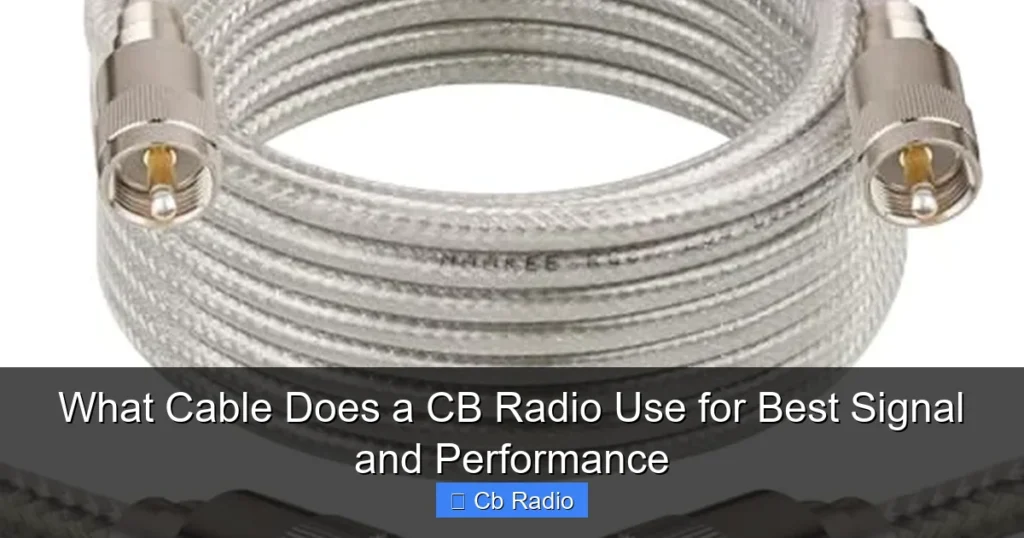
If you want the best signal and performance from your CB radio, choosing the right cable is crucial. Most CB radios use coaxial cables, with RG-58 and RG-8X being popular options. Understanding cable types and quality helps ensure clear communication and fewer signal losses.
Key Takeaways
- Coaxial cable is essential: CB radios use coaxial cables to connect the radio to the antenna, ensuring signal strength and clarity.
- Common cable types: RG-58, RG-8X, and RG-213 are popular coax cables, each with different thickness and signal loss properties.
- Connectors matter: SO-239 and PL-259 connectors are standard for CB radios, providing secure and stable connections.
- Quality affects performance: Using a high-quality coax cable with proper shielding minimizes interference and maximizes range.
- Cable length impacts signal: Shorter cable runs reduce signal loss; choose the right length for your setup.
- Installation tips: Avoid sharp bends and keep cables away from power wires to maintain signal integrity.
- Proper maintenance: Regularly check connectors and cables for wear to sustain optimal CB radio performance.
Quick Answers to Common Questions
What type of cable does a CB radio use?
CB radios use coaxial cables, typically RG-58, RG-8X, or RG-213, to connect the radio to the antenna.
Why is coaxial cable important for CB radios?
Coaxial cable minimizes signal loss and interference, ensuring clear communication and strong transmission.
What connectors do CB radios use?
Most CB radios use PL-259 connectors that screw into SO-239 sockets for a secure connection.
How does cable length affect CB radio performance?
Longer cables increase signal loss, so keeping the cable as short as possible helps maintain signal strength.
Can I use any coaxial cable for my CB radio?
Not all coax cables are equal; you should use 50-ohm coax cables like RG-58 or RG-8X designed for radio frequencies to ensure proper performance.
📑 Table of Contents
Introduction
CB radios are a reliable way to communicate over short distances, whether you’re trucking cross-country, camping off-grid, or just chatting with neighbors. But one often overlooked part of your CB setup is the cable connecting your radio to the antenna. The right cable can make a big difference in how clearly you hear and how far your signal travels.
So, what cable does a CB radio use? The answer lies in coaxial cables, but not all coax cables are created equal. Choosing the right cable type, connector, and length can boost your signal strength and reduce interference. In this article, we’ll dive deep into the cables used for CB radios and share practical tips to optimize your radio’s performance.
Understanding CB Radio Cable Basics
What is a Coaxial Cable?
A coaxial cable, often just called coax, is the standard cable type used to connect your CB radio to its antenna. It’s designed with a central conductor, surrounded by insulation, a shielding layer, and an outer jacket. This structure helps protect the radio signal from external interference and signal loss.
Visual guide about What Cable Does a CB Radio Use for Best Signal and Performance
Image source: fuelcapacity.com
Why Coaxial Cables Are Used for CB Radios
CB radios operate on high frequencies (around 27 MHz), so they need a cable that can carry radio frequency energy efficiently. Coaxial cables are ideal because they minimize signal loss and electromagnetic interference. This means your transmissions stay strong, and incoming signals remain clear.
Popular Coaxial Cable Types for CB Radios
RG-58 Coaxial Cable
RG-58 is a thinner, flexible coax cable often used for short runs. It has a characteristic impedance of 50 ohms, which matches CB radios and antennas well. However, it suffers more signal loss over long distances compared to thicker cables. It’s a good choice if your antenna is close to the radio.
RG-8X Coaxial Cable
RG-8X is thicker than RG-58 and also has a 50-ohm impedance. It offers less signal loss over longer cable runs, making it a popular option for CB enthusiasts who need more flexibility without sacrificing performance. It’s still fairly flexible and easier to work with than very thick cables.
RG-213 and Other Heavy-Duty Cables
RG-213 and similar cables have a larger diameter and thicker shielding. They provide the least signal loss and are ideal for long cable runs or permanent installations. However, they are less flexible and more expensive. These cables are often used by serious CB operators wanting the best performance.
Connectors: The Link Between Your Radio and Cable
PL-259 Connectors
The PL-259 connector is the most common plug used with CB radios. It screws onto the radio’s SO-239 socket, creating a secure connection. Quality connectors ensure minimal signal loss and prevent corrosion over time.
Installing Connectors Properly
Properly installing PL-259 connectors onto your coax cable is crucial. Poorly attached connectors can introduce noise and reduce signal strength. Use the right tools and follow guides to solder or crimp connectors securely.
How Cable Quality and Length Affect CB Radio Performance
Signal Loss Over Cable Length
Every cable introduces some signal loss, which increases with cable length. For example, RG-58 may lose around 6 dB over 50 feet, while RG-8X loses about 3-4 dB over the same length. This means a stronger cable or shorter run results in better signal reach.
Choosing the Right Cable Length
Keep your cable as short as possible without straining installation. Measure the distance from your radio to the antenna and add a little slack for routing. Avoid excessively long cables to maintain signal integrity.
Practical Tips for Using CB Radio Cables
Avoid Sharp Bends and Kinks
Coax cables don’t like sharp bends. These can damage the cable’s internal structure and increase signal loss. Use gentle curves when routing your cable for the best performance.
Keep Coax Away From Power Lines
Running your CB coax cable parallel and close to power cables can induce noise and interference. Cross power lines at right angles and keep distance to reduce this effect.
Regular Inspection and Maintenance
Check connectors for corrosion or looseness, especially if your installation is exposed to weather. Clean or replace connectors as needed to keep your signal strong.
Conclusion
Choosing the right cable for your CB radio is more than just picking any coax. It’s about matching cable type, length, and connectors to your setup for the best signal and performance. Whether you go with RG-58 for short runs or RG-213 for a heavy-duty setup, quality cables and proper installation make all the difference.
Remember to keep cables neat, avoid interference, and maintain your connections regularly. With the right cable, your CB radio will deliver clearer conversations and better range every time you power it up.
Frequently Asked Questions
What is the best coaxial cable for a CB radio antenna?
RG-8X is often considered the best balance between flexibility and signal loss for most CB radio setups. For longer runs, RG-213 offers even lower loss but is less flexible.
Can I use RG-6 coax cable for my CB radio?
RG-6 is typically used for cable TV and has a different impedance (75 ohms), which can cause signal loss and mismatch with CB radios. It’s not recommended for CB use.
How do I know if my coax cable is damaged?
Signs of damage include visible cuts, cracks, kinks, or corrosion at connectors. Damaged cables can cause poor signal quality or complete loss of transmission.
Is it necessary to solder my PL-259 connectors?
Soldering provides a more reliable connection and reduces signal loss. While some connectors can be crimped, soldering is generally recommended for best performance.
How often should I replace my CB radio cable?
With proper care, coax cables can last many years. Replace cables if you notice damage, corrosion, or degraded performance during use.
Can weather affect my CB radio cable?
Yes, exposure to moisture, UV rays, and temperature changes can degrade cable jackets and connectors, leading to signal issues. Use weatherproof connectors and cables designed for outdoor use when installing antennas outside.