

A CB radio is a simple, reliable communication device that lets you talk with others over short distances without the need for cell service. Whether for travel, emergencies, or hobby, a CB radio offers convenience and peace of mind. It’s an affordable and easy-to-use tool that many people find invaluable.
Contents
- 1 Key Takeaways
- 2 Quick Answers to Common Questions
- 3 📑 Table of Contents
- 4 Introduction: The Enduring Appeal of CB Radio
- 5 What Is a CB Radio?
- 6 Why Use a CB Radio?
- 7 How to Get Started With a CB Radio
- 8 Common Uses of CB Radios
- 9 Tips for Maximizing Your CB Radio Experience
- 10 Conclusion: Why a CB Radio Is Still Worth It Today
- 11 Frequently Asked Questions
- 12 Author
Key Takeaways
- What a CB Radio Is: A citizen band radio for short-range voice communication.
- Ease of Use: Simple controls make it accessible for beginners and experts alike.
- Versatile Applications: Useful for travelers, truckers, off-roaders, and emergency situations.
- No Cell Service Needed: Works independently of cell towers and networks.
- Legal and Regulated: Operates on FCC-allocated frequencies with no license required in most countries.
- Cost-Effective Communication: Inexpensive equipment and no ongoing fees.
- Community and Safety: Connect with others and stay informed about road conditions or emergencies.
Quick Answers to Common Questions
What does CB in CB radio stand for?
CB stands for Citizen Band, which is a set of radio frequencies reserved for public use.
Do I need a license to use a CB radio?
No, in most countries, including the U.S., you don’t need a license to operate a CB radio.
How far can a CB radio transmit?
Typical CB radio range is between 1 to 5 miles, depending on terrain, antenna, and weather conditions.
Can I use a CB radio in my car?
Yes, many mobile CB radios are designed specifically for vehicles and can be installed easily.
What are common uses for CB radios today?
They are used for road communication among truckers, outdoor activities, emergency communication, and event coordination.
📑 Table of Contents
Introduction: The Enduring Appeal of CB Radio
In a world dominated by smartphones and instant messaging apps, it might seem odd to talk about CB radios. But these trusty devices have been around since the mid-20th century and continue to be popular for good reasons. Whether you’re a truck driver navigating long highways, an off-roading enthusiast exploring remote trails, or someone who just wants a reliable backup communication method, CB radios offer a unique blend of simplicity and practicality.
This article will explore what a CB radio is, how it works, and why you might want to consider adding one to your gear. From basic functions to real-life uses, we’ll cover everything you need to know to get started with CB radio communication.
What Is a CB Radio?
The Basics of CB Radio
CB stands for Citizen Band, which is a spectrum of radio frequencies set aside by governments for public use. A CB radio is a device that allows you to talk to other CB radios over these frequencies. Unlike ham radio, CB radio does not require a license, making it accessible to everyday users.
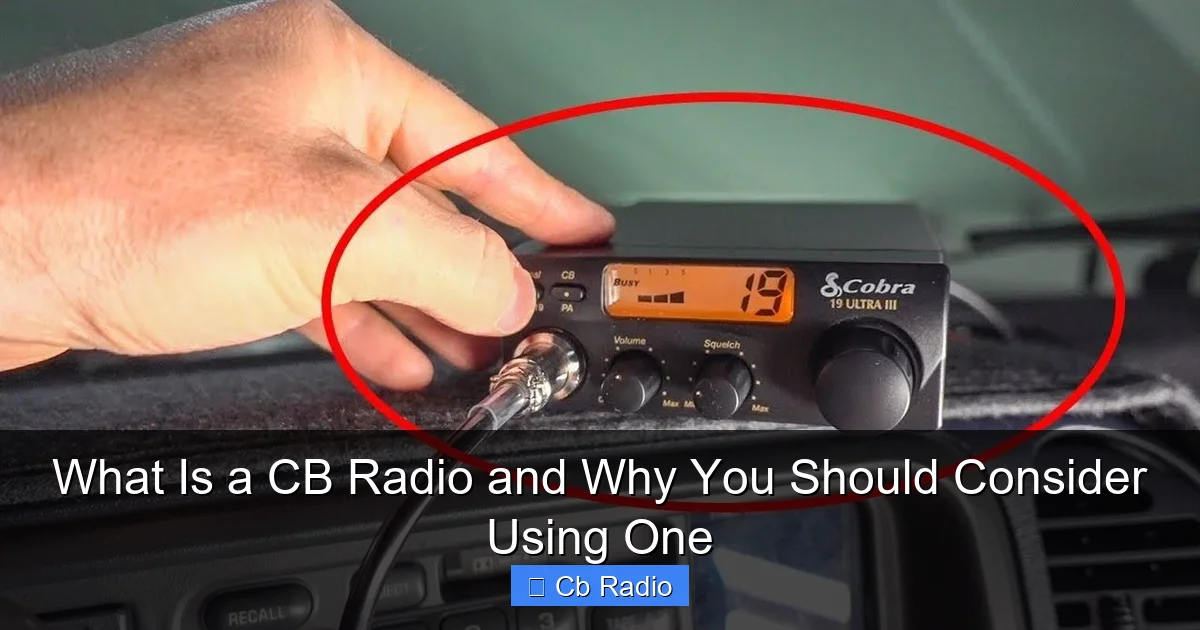
Visual guide about What Is a CB Radio and Why You Should Consider Using One
Image source: i.pinimg.com
How CB Radio Works
CB radios operate on 40 shared channels within the 27 MHz (megahertz) band. When you speak into the microphone, your voice is transmitted as radio waves. Other users tuned into the same channel nearby can hear you. The typical range of CB radios is about 1 to 5 miles, though certain conditions like terrain and weather can extend or reduce this range.
Types of CB Radios
- Mobile CB Radios: Installed in vehicles like trucks, cars, or ATVs.
- Base Station CB Radios: Stationary setups used at homes or offices.
- Handheld CB Radios: Portable units for on-the-go communication, though less common.
Why Use a CB Radio?
Reliable Communication Without Cell Service
One of the biggest advantages of CB radios is that they don’t rely on cell towers or internet connections. This makes them invaluable in remote areas, during natural disasters, or when traveling through spots with poor mobile coverage.
Emergency Preparedness
CB radios can be lifesavers in emergencies. For example, if your car breaks down on a highway or you get lost in the wilderness, you can reach out to other CB users for assistance. Many communities and truck drivers monitor certain channels specifically for emergency help and road alerts.
Community and Social Interaction
Using a CB radio connects you to a network of people nearby. Truckers, travelers, and hobbyists often use CB channels to share tips, weather updates, and local information. It’s like having a walkie-talkie with a whole community at your fingertips.
Cost-Effective and Easy to Use
CB radios are affordable, with units available for under $100. They don’t require monthly fees or subscriptions. Plus, their straightforward design means you can start communicating quickly without any complicated setup.
How to Get Started With a CB Radio
Choosing the Right CB Radio
Start by deciding where you’ll use your CB radio. For vehicles, a mobile unit with a good antenna is best. If you want to use it at home, a base station model will offer better range and comfort. Look for radios with features like channel scanning, noise filters, and adjustable power output.
Installing Your CB Radio
For mobile radios, proper antenna installation is key to getting good range. The antenna should be mounted on a metal surface and as high as possible on your vehicle. Base stations usually require an external antenna placed outdoors or near a window.
Basic Operation Tips
- Choose a Channel: Channel 19 is popular among truckers and travelers.
- Use the Push-to-Talk Button: Press and hold to speak, release to listen.
- Keep It Clear: Speak clearly and avoid long messages to give others a chance to talk.
- Respect the Rules: Avoid profanity or illegal transmissions.
Common Uses of CB Radios
For Truck Drivers
Truckers use CB radios to communicate road conditions, traffic jams, accidents, and police presence. This helps them plan routes and avoid delays.
Outdoor Adventures
Off-roaders, campers, and hikers use CB radios to stay in touch when exploring areas without cell coverage. It’s also helpful for coordinating group activities.
Event Coordination and Work Sites
Event organizers and construction teams often use CB radios for quick, reliable communication across large sites.
Tips for Maximizing Your CB Radio Experience
Use an External Antenna
A good antenna dramatically improves your range and signal quality. Invest in a quality antenna and mount it correctly.
Monitor Channels Regularly
Listening to common channels helps you stay informed and ready to communicate when needed.
Keep Your Radio Powered
Make sure your radio has a stable power source. For vehicles, connect it to the ignition or battery. For base stations, use reliable power adapters or batteries.
Practice Good Radio Etiquette
Be polite, avoid interruptions, and follow local regulations. This ensures everyone enjoys clear and respectful communication.
Conclusion: Why a CB Radio Is Still Worth It Today
CB radios might seem old-school, but they remain a valuable tool for many people. Their ease of use, no-cost communication, and reliability in places where cell phones can’t reach make them a perfect companion for travelers, outdoor lovers, and anyone prioritizing safety. If you want a simple, effective way to stay connected on the road or in remote areas, a CB radio is definitely worth considering.
Getting started is easy and affordable, and you’ll join a community of users who rely on this timeless technology daily. So why not give CB radio a try? It might just become your new favorite communication tool.
Frequently Asked Questions
Is CB radio still relevant with modern smartphones?
Yes, CB radio is still relevant because it works without cell towers or internet. It’s useful in remote areas and emergencies where smartphones might fail.
What channels are most commonly used on CB radios?
Channel 19 is popular for highway communication, especially among truckers. Channel 9 is often reserved for emergencies.
Can I talk to anyone using a CB radio?
Yes, anyone tuned into the same channel within range can hear and respond to your transmissions.
How do I improve the range of my CB radio?
Using a high-quality external antenna and mounting it correctly can greatly improve your CB radio’s transmission range.
Are there any rules for using CB radios?
Yes, users should avoid profanity, follow power limits (usually 4 watts), and respect others by not monopolizing channels.
Can CB radios be used internationally?
CB radio regulations vary by country. Many places use similar frequencies, but it’s important to check local laws before use abroad.