

The CB radio emergency channel is a vital communication tool used for urgent situations on the road and in remote areas. Understanding how to use this channel safely ensures you can get help quickly without interfering with emergency communications.
Contents
- 1 Key Takeaways
- 2 Quick Answers to Common Questions
- 3 📑 Table of Contents
- 4 Introduction
- 5 What Is the CB Radio Emergency Channel?
- 6 How to Use the CB Radio Emergency Channel Safely
- 7 Practical Examples of Using the Emergency Channel
- 8 Legal and Ethical Considerations
- 9 Tips for Getting the Most Out of Your CB Radio in Emergencies
- 10 Conclusion
- 11 Frequently Asked Questions
- 12 Author
Key Takeaways
- What is the CB radio emergency channel: A dedicated channel reserved for emergency communications on CB radios.
- Channel 9 significance: Channel 9 is internationally recognized as the emergency and roadside assistance channel.
- Proper usage: Only use the emergency channel for genuine emergencies to avoid misuse and interference.
- Listening before transmitting: Always listen before speaking to avoid disrupting ongoing emergency calls.
- How to make an emergency call: Use clear language, provide location details, and state the nature of your emergency.
- Legal considerations: Misusing the emergency channel can lead to fines or penalties.
- Benefits of knowing the emergency channel: Quick help, improved safety, and better communication in remote or hazardous situations.
Quick Answers to Common Questions
What channel is the CB radio emergency channel?
Channel 9 is the standard CB radio emergency channel used for roadside assistance and urgent help.
Can anyone use the CB emergency channel?
Yes, anyone with a CB radio can use channel 9, but it should only be used for genuine emergencies.
What should I say when calling on the emergency channel?
Identify yourself, state your location clearly, and describe the nature of the emergency briefly.
Is it legal to use channel 9 for non-emergencies?
No, using channel 9 for casual conversation is illegal in many places and can result in fines.
Do emergency services monitor CB radio channels?
Some law enforcement and volunteer groups monitor channel 9, but coverage varies by region.
📑 Table of Contents
Introduction
Have you ever wondered what the CB radio emergency channel is and why it’s so important? Whether you’re a trucker, a road tripper, or just someone interested in radio communication, knowing about the CB radio emergency channel can be a lifesaver. This channel acts as a direct line for urgent help when you need it most.
CB radios have been around for decades, serving as a reliable communication tool for drivers and hobbyists alike. Among the many channels available, the emergency channel—most commonly known as channel 9—holds a special place. It’s reserved strictly for emergencies, ensuring that help can be summoned quickly and efficiently.
In this article, we’ll explore what the CB radio emergency channel is, how to use it safely, and why respecting this channel is crucial for everyone who uses CB radios.
What Is the CB Radio Emergency Channel?
The Basics of CB Radio Channels
Citizens Band (CB) radio provides 40 channels for public use. Each channel serves different purposes, from casual chatting to trucker communications. Among these, channel 9 is internationally recognized for emergency use.
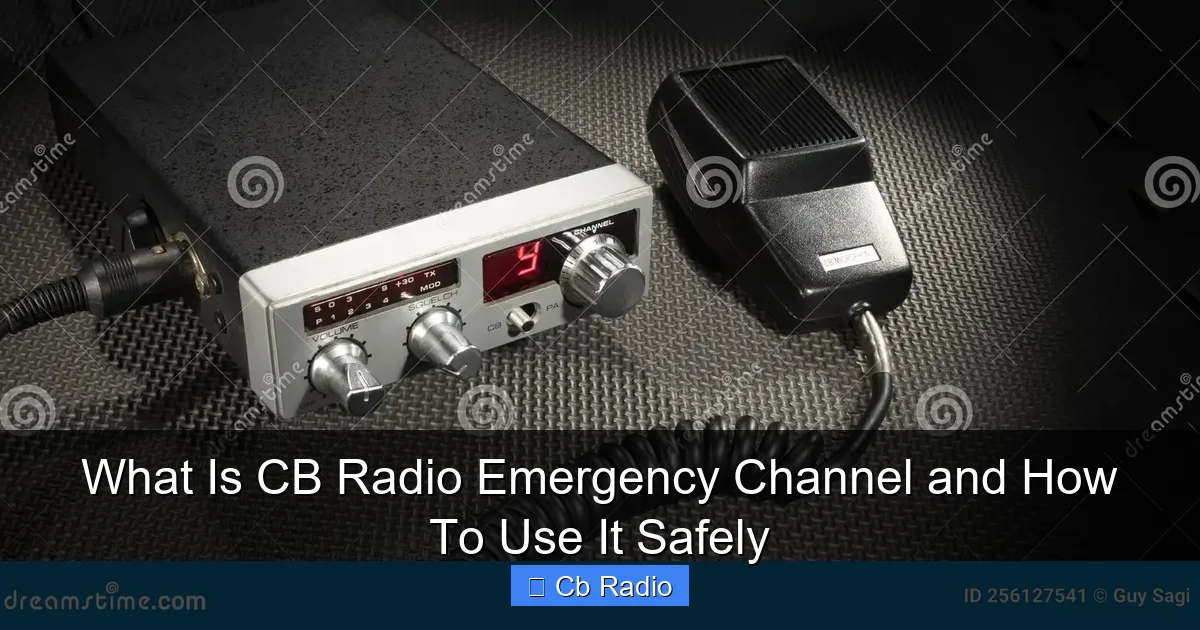
Visual guide about What Is CB Radio Emergency Channel and How To Use It Safely
Image source: thumbs.dreamstime.com
Why Channel 9?
Channel 9 was designated as the emergency channel decades ago. It’s monitored by some law enforcement agencies, highway patrols, and volunteer organizations in many areas. The idea is to have a dedicated frequency where drivers and users can call for help without delay.
What Constitutes an Emergency?
Emergencies include accidents, vehicle breakdowns in dangerous locations, medical crises, or any situation where immediate assistance is needed. Using channel 9 for non-emergency chatter can block critical communication.
How to Use the CB Radio Emergency Channel Safely
Step 1: Listen Before You Speak
Before transmitting on channel 9, always listen for ongoing conversations. Interrupting an emergency call could delay help or cause confusion.
Step 2: Identify Yourself and Your Location
When you need to call for help, state your CB handle or your name and your exact location. For example, “This is John, I’m at mile marker 45 on Highway 50.”
Step 3: Clearly State the Nature of the Emergency
Be concise but descriptive about your situation. For example, “I’ve had a vehicle accident and need medical assistance.”
Step 4: Wait for a Response
After your message, pause and listen. Someone monitoring the channel may respond or relay your message to emergency services.
Step 5: Keep Transmissions Brief
Keep your messages short to free up the channel for others who might need it urgently.
Practical Examples of Using the Emergency Channel
Example 1: Vehicle Breakdown on a Busy Highway
Imagine your car stalls on a busy highway late at night. You turn on your CB radio and switch to channel 9. After listening and hearing no one talking, you say, “This is Mike. My car broke down at mile marker 102 on Interstate 80. Need roadside assistance.”
Example 2: Witnessing an Accident
If you see a crash ahead and the victims need help, tune into channel 9 and say, “This is Sarah. There’s a serious accident at exit 12 on Route 66. Injuries reported.” This can alert nearby drivers and responders.
Example 3: Medical Emergency
If you or someone near you experiences a medical emergency, use channel 9 to ask for urgent help. For example, “This is Tom. Someone is unconscious at the rest stop near mile 50 on Highway 5. Need medical assistance.”
Legal and Ethical Considerations
The Importance of Using Channel 9 Responsibly
Misusing the emergency channel can have serious consequences. It can delay help to those who truly need it and may lead to fines or other penalties. Treat channel 9 with respect.
Legal Restrictions
Many countries have regulations against using the emergency channel for non-emergency purposes. Know your local laws and follow them strictly.
Ethical Use
Even if you don’t face legal action, ethical use helps maintain the channel’s effectiveness. Avoid casual talk, jokes, or unrelated messages on channel 9.
Tips for Getting the Most Out of Your CB Radio in Emergencies
Keep Your Radio Accessible
Have your CB radio within easy reach while driving so you can quickly switch to channel 9 if needed.
Practice Using Your Radio
Familiarize yourself with how to switch channels, adjust the volume, and transmit clearly before an emergency occurs.
Use Clear Language
Avoid slang or codes that others might not understand. Speak slowly and clearly.
Stay Calm
During an emergency, staying calm helps you communicate more effectively and provide important details.
Conclusion
The CB radio emergency channel is a powerful tool that can make a real difference in emergencies. Channel 9 is set aside to ensure help is just a voice call away when you need it most. By understanding what the emergency channel is and using it safely and responsibly, you contribute to a safer driving environment for yourself and others.
Remember, the key to effective emergency communication is respect: respect for the channel, for emergency responders, and for fellow CB users. Practice the guidelines here, and you’ll be ready to act quickly and confidently when an emergency arises.
Frequently Asked Questions
Why is channel 9 reserved for emergencies?
Channel 9 is reserved to provide a dedicated frequency for urgent communication, ensuring that emergency messages aren’t blocked by casual conversations.
How do I know if my emergency message was received?
After transmitting, wait and listen for any responses. If someone hears your call, they should reply or relay the information.
Can CB radios contact 911 directly?
No, CB radios cannot connect directly to 911. They rely on other CB users or emergency personnel monitoring the channel to relay your message.
What if I accidentally transmit on channel 9 without an emergency?
If you accidentally transmit, switch to another channel quickly and avoid using channel 9 unless necessary.
Are there other emergency channels on CB radios?
Channel 9 is the primary emergency channel, but some users may monitor channel 19 for trucker communication and emergencies.
How often should I check the emergency channel?
It’s a good practice to periodically listen to channel 9 during long trips, especially in remote areas, to stay informed and be ready if needed.