

Channel 9 on CB radio is the designated emergency and traveler assistance channel, vital for safety and communication on the road. It serves as a direct line for urgent messages, helping users stay informed and connected during emergencies or critical situations. Understanding its use is essential for all CB radio users.
Contents
- 1 Key Takeaways
- 2 Quick Answers to Common Questions
- 3 📑 Table of Contents
- 4 Introduction to Channel 9 on CB Radio
- 5 What Is Channel 9 on CB Radio?
- 6 Why Is Channel 9 Important for CB Radio Users?
- 7 How to Use Channel 9 Correctly
- 8 Practical Examples of Channel 9 Use
- 9 Tips for New CB Radio Users Regarding Channel 9
- 10 Conclusion
- 11 Frequently Asked Questions
- 12 Author
Key Takeaways
- Channel 9 is reserved for emergencies: It’s primarily used for distress calls and urgent communication.
- It’s a universal safety channel: Used by truckers, travelers, and emergency responders.
- Helps in reporting hazards: Users can alert others about accidents, roadblocks, or severe weather.
- Not for casual chatter: Using Channel 9 for non-emergency talk is discouraged.
- Essential for CB radio etiquette: Knowing how and when to use Channel 9 is part of responsible CB operation.
- Improves roadside assistance: Enables quick communication for help or advice when needed.
- Channel 9 is monitored by many users: Increasing the chance of quick response during emergencies.
Quick Answers to Common Questions
What is Channel 9 on CB radio used for?
Channel 9 is reserved for emergency communication and traveler assistance, such as reporting accidents or requesting help.
Can I use Channel 9 for casual conversations?
No, Channel 9 should only be used for emergencies or safety-related messages to keep it clear for urgent communication.
Who monitors Channel 9?
Truckers, emergency responders, and other CB radio users often monitor Channel 9 to assist in emergencies.
What frequency does Channel 9 operate on?
Channel 9 operates at 27.065 MHz within the CB radio frequency band.
How should I communicate on Channel 9 during an emergency?
Speak clearly, identify yourself if possible, state your location, and describe the emergency concisely.
📑 Table of Contents
Introduction to Channel 9 on CB Radio
If you’ve ever heard about Channel 9 on a CB radio but weren’t quite sure what it was for, you’re not alone. Many new users or casual enthusiasts might tune into the usual channels without realizing the special importance of Channel 9. This channel holds a unique place in the CB radio world and plays a critical role in safety and emergency communication.
In this article, we’ll explore what Channel 9 on CB radio really is, why it’s so important, and how to use it correctly. Whether you’re a truck driver, a road tripper, or just curious about CB radios, understanding Channel 9 can enhance your communication experience and keep you safer on the road.
What Is Channel 9 on CB Radio?
The Designated Emergency Channel
Channel 9 on CB radio is officially designated as the emergency and traveler assistance channel. It is set aside specifically for urgent communication such as distress calls, accident reports, or requests for help. This channel is monitored by truck drivers, CB enthusiasts, and sometimes emergency services, making it the go-to frequency when immediate attention is needed.
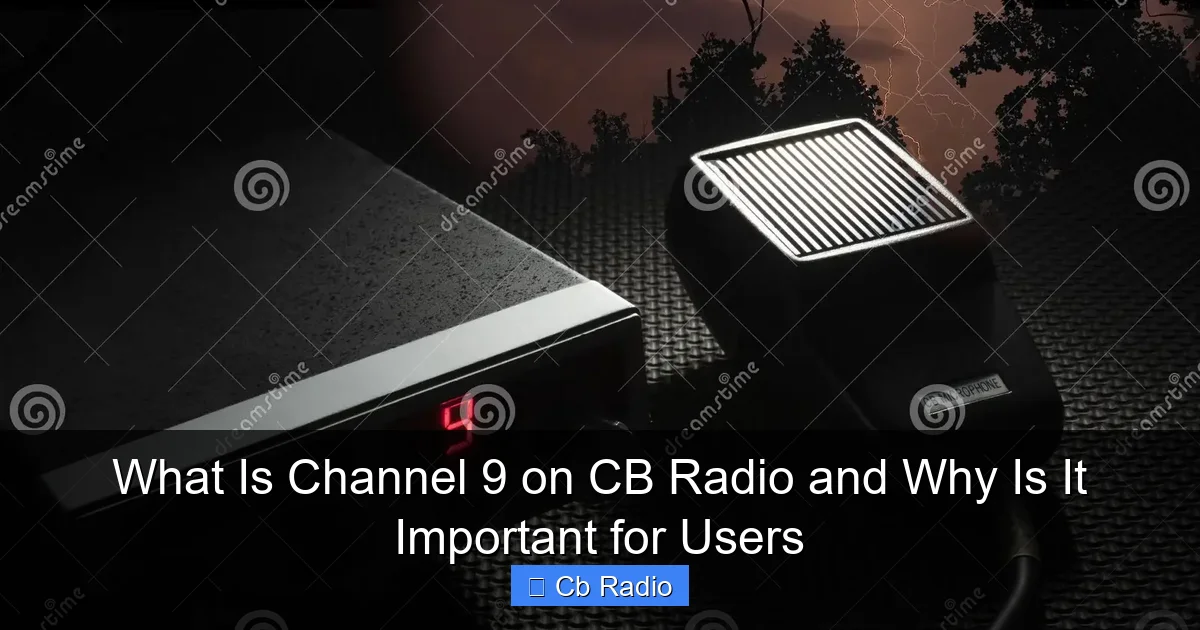
Visual guide about What Is Channel 9 on CB Radio and Why Is It Important for Users
Image source: thumbs.dreamstime.com
History of Channel 9’s Emergency Use
When CB radios became popular in the mid-20th century, there was a need for a dedicated emergency channel. Channel 9 was chosen to serve this purpose. Over time, regulations and CB radio etiquette reinforced that Channel 9 should only be used for emergencies or safety-related messages, helping to keep it clear and effective.
Standard Frequency and Technical Details
Channel 9 operates at 27.065 MHz in the standard 40-channel CB radio band. This frequency is consistent across most regions where CB radios are used, making it a universal point of contact for emergencies.
Why Is Channel 9 Important for CB Radio Users?
Safety First: Quick Access to Help
One of the biggest advantages of Channel 9 is that it provides a direct way to call for help. If you’re involved in an accident, see a dangerous situation, or need immediate assistance, switching to Channel 9 ensures your message reaches others who are listening for emergencies.
Community Monitoring and Assistance
Many CB radio users, especially truckers and emergency personnel, keep an ear on Channel 9. This community monitoring increases the likelihood that someone nearby can respond quickly or alert proper authorities. It’s a shared safety net that benefits all users.
Reporting Road Conditions and Hazards
Channel 9 is often used to report hazards such as roadblocks, debris, or severe weather conditions. Sharing this information helps other drivers avoid danger and plan their routes more safely.
Maintaining Clear Communication Channels
By reserving Channel 9 strictly for emergencies, CB radio channels remain organized. Casual conversations on other channels keep Channel 9 free for urgent matters, improving the overall effectiveness of CB communication.
How to Use Channel 9 Correctly
When to Use Channel 9
Only use Channel 9 for genuine emergencies or safety information. Examples include:
- Calling for medical help or roadside assistance after an accident
- Reporting a hazard that could cause accidents
- Alerting others about severe weather or natural disasters
When Not to Use Channel 9
Avoid using Channel 9 for casual chatting, personal messages, or non-urgent communication. This behavior clogs the emergency channel and may delay help to those in real need.
Proper Etiquette on Channel 9
Speak clearly and briefly. Identify yourself if possible, state your location, and describe the emergency. Remember to listen for responses and keep the channel free after your message to allow follow-up communication.
Practical Examples of Channel 9 Use
Example 1: Reporting an Accident
Imagine you witness a crash on the highway. You switch your CB radio to Channel 9 and say, “This is [your handle], there’s been a two-car accident at mile marker 45 on Highway 20. No injuries seen, but traffic is backed up.” This message alerts other drivers to slow down or take alternate routes.
Example 2: Requesting Roadside Assistance
If your vehicle breaks down in a remote area, you can use Channel 9 to call for help. Simply say, “Mayday, mayday, this is [your handle]. I’m stranded at mile marker 112 on Interstate 5 with a flat tire. Requesting assistance.” Nearby CB users might respond or call emergency services for you.
Example 3: Warning About Severe Weather
When severe weather hits, quick communication saves lives. You might broadcast, “Channel 9, this is [your handle]. There’s a tornado warning near exit 27. Take shelter immediately.” This helps drivers prepare and react appropriately.
Tips for New CB Radio Users Regarding Channel 9
Always Keep Channel 9 in Your Memory
Make sure to have Channel 9 pre-programmed or easy to access. Emergencies don’t wait, so quick channel switching matters.
Practice Clear Communication
Keep your messages concise and to the point. Avoid jargon or slang that could confuse listeners during urgent situations.
Respect Other Users
Don’t interrupt ongoing emergency communications. Wait your turn and avoid unnecessary chatter on Channel 9.
Learn Basic CB Radio Etiquette
Familiarize yourself with general CB rules and etiquette. This knowledge will help you use Channel 9 effectively and responsibly.
Conclusion
Channel 9 on CB radio is much more than just another frequency. It is a lifeline for safety, a channel reserved for emergencies and essential communication that can save lives and prevent accidents. Whether you’re a seasoned trucker or a casual user, understanding and respecting Channel 9 is crucial. Proper use ensures that help is available when it’s needed most and keeps the CB community connected and safe.
Next time you switch on your CB radio, remember the importance of Channel 9. Keep it clear for emergencies, use it wisely, and encourage others to do the same. It’s a small step that makes a big difference on the road.
Frequently Asked Questions
Why is Channel 9 important on CB radios?
Channel 9 is important because it serves as the dedicated emergency channel. It allows users to quickly communicate critical information, ensuring timely help and safety for those on the road.
Is Channel 9 monitored by official emergency services?
While Channel 9 is primarily monitored by CB users and truck drivers, some emergency responders and roadside assistance services may also monitor it or respond when alerted.
What should I do if I accidentally transmit on Channel 9 without an emergency?
If you accidentally use Channel 9 for non-emergency purposes, apologize briefly and switch to another channel to avoid blocking important communications.
Can tourists or casual drivers use Channel 9 for help?
Yes, Channel 9 is available to all CB users, including tourists and casual drivers, for emergencies or traveler assistance.
How can I learn more about proper CB radio etiquette?
Many online resources, user manuals, and CB radio communities offer guides and tips on etiquette. Practicing respectful communication and understanding channel purposes is key.
Are there penalties for misusing Channel 9?
Yes, misuse of Channel 9, especially for non-emergency chatter or false distress calls, can lead to fines or other penalties depending on local regulations.