

A CB radio is a versatile communication tool designed for short-distance talk, primarily used by drivers and outdoor enthusiasts. It offers instant communication, enhances safety, and provides a reliable way to stay connected without relying on cellular networks.
Contents
Key Takeaways
- Purpose: CB radios enable short-distance voice communication over specific channels.
- Safety: They help users share real-time road conditions and emergency information.
- Accessibility: CB radios work without cell towers, making them reliable in remote areas.
- Community: They foster connections among truckers, travelers, and hobbyists.
- Cost-effective: Using CB radios requires no monthly fees or subscriptions.
- Ease of use: Simple controls and clear channels make CB radios user-friendly.
- Versatility: Useful for driving, off-roading, camping, and event coordination.
Quick Answers to Common Questions
What does CB stand for in CB radio?
CB stands for Citizen’s Band, a radio service for personal and business communication over short distances.
Do I need a license to use a CB radio?
In most countries like the US, no license is required to operate a CB radio for personal use.
How far can a CB radio transmit?
Typical CB radios cover 1 to 5 miles, but range can vary with antenna quality and terrain.
Can I use a CB radio in my car?
Yes, many people install CB radios in vehicles for communication while driving.
Is a CB radio better than a cell phone?
CB radios offer instant, free communication without relying on cell networks, making them better in remote or emergency situations.
📑 Table of Contents
Introduction
If you’ve ever seen a trucker talking into a small radio device or heard chatter on the highway, you’ve witnessed the classic use of a CB radio. But what exactly is the purpose of a CB radio, and why do so many people still rely on it today?
Despite the rise of smartphones and internet communication, CB radios remain popular for good reasons. They provide a unique way to communicate instantly, especially when cell service is spotty or unavailable. In this article, we’ll explore what CB radios are, how they work, and the many benefits they offer to users across different situations.
What Is a CB Radio?
Understanding the Basics
CB stands for Citizen’s Band, referring to a personal radio service that allows individuals to communicate over short distances using specific radio frequencies. Unlike ham radios that require licenses, CB radios are license-free for most users in many countries, including the United States.
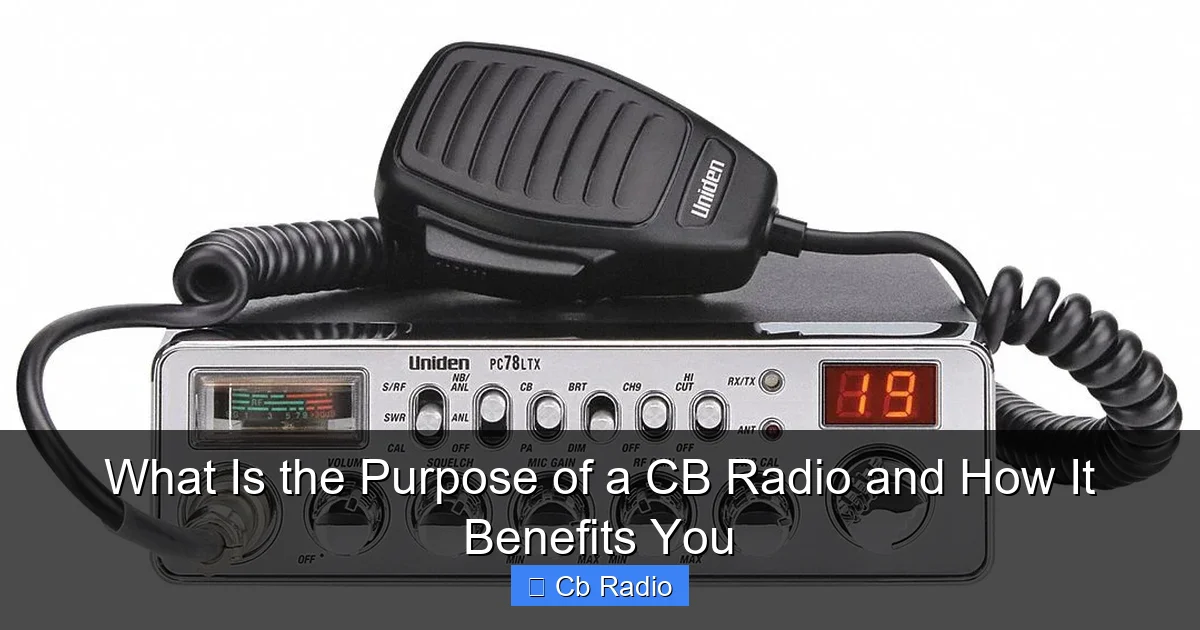
Visual guide about What Is the Purpose of a CB Radio and How It Benefits You
Image source: static.grainger.com
These devices operate on 40 channels within the 27 MHz band, providing a spectrum for people to talk to one another. A typical CB radio setup includes a microphone, a speaker, and an antenna. Users can switch channels to find clear communication lines or tune into popular channels used by specific groups.
How CB Radios Work
CB radios transmit and receive radio waves through antennas. When you speak into the microphone, your voice is converted into radio signals sent over the airwaves. Other users tuned into the same channel can hear what you say instantly.
The range of a CB radio usually covers a few miles but can vary based on terrain, weather, and antenna quality. This makes CB radios ideal for local communication rather than long-distance conversations.
The Primary Purpose of a CB Radio
Instant Communication
The main purpose of a CB radio is to provide quick and direct voice communication between users. This is especially useful for truck drivers who need to share road conditions, warn about hazards, or coordinate logistics without delay.
Safety and Emergency Use
CB radios are vital tools for safety. When cell phones fail due to no coverage or battery issues, CB radios remain functional. Drivers can call for help in emergencies or alert others about accidents, weather changes, or roadblocks.
Community and Social Interaction
CB radios create a sense of community, connecting people on the road or in remote locations. Hobbyists, off-roaders, and travelers use CB radios to share tips, arrange meetups, or just chat during long trips.
How CB Radios Benefit You
Reliable Communication in Remote Areas
If you love camping, hiking, or exploring off-grid locations, CB radios are invaluable. They don’t rely on cell towers, so you can stay connected even in the wilderness or rural zones.
Enhancing Road Safety
Truckers and drivers use CB radios to warn each other about speed traps, traffic jams, or dangerous weather. This shared information helps everyone make safer driving decisions.
Cost Savings
Unlike mobile phones, CB radios don’t require monthly plans or data charges. Once you buy the equipment, communication is essentially free, making it budget-friendly for many users.
Easy to Use and Set Up
CB radios are straightforward devices. Even beginners can learn to operate them quickly. Installing a CB radio in your vehicle or carrying a portable model is simple and doesn’t need technical expertise.
Support for Various Activities
Beyond driving, CB radios help coordinate group activities like off-roading, convoy travel, and outdoor events. They allow instant coordination and can improve the overall experience.
Practical Tips for Using a CB Radio
Choosing the Right Channel
Channel 19 is the most common highway channel for truckers and travelers. However, different groups might use other channels. It’s good to scan channels to find the clearest one for your needs.
Maintaining Clear Communication
Speak clearly and avoid shouting. Use simple language and keep transmissions short to allow others to communicate. Also, avoid using CB radios for sensitive or private information, as the channels are open to anyone nearby.
Proper Antenna Setup
For the best range, ensure your antenna is mounted correctly and is compatible with your CB radio. A good antenna can extend your communication distance significantly.
Respect CB Radio Etiquette
Follow common courtesy rules—don’t hog the channel, avoid profanity, and be respectful of other users. This keeps the CB community friendly and efficient.
The Future of CB Radios
Integration with Modern Technology
Although smartphones dominate communication, CB radios continue to evolve. Some models now feature digital displays, noise-canceling microphones, and integration with GPS and smartphone apps.
Continued Relevance
CB radios remain relevant because they fill a communication gap that mobile phones cannot, especially in emergencies and remote locations. As long as people travel and explore off the beaten path, CB radios will have a purpose.
Conclusion
The purpose of a CB radio goes beyond just talking—it’s about staying connected, safe, and informed no matter where you are. Whether you are a truck driver navigating highways, an off-roader exploring trails, or someone who values reliable emergency communication, a CB radio offers unique benefits.
By understanding how CB radios work and how to use them effectively, you can enhance your travel experience and ensure you are never out of touch when it matters most. Investing in a CB radio could be one of the smartest decisions for your communication needs.
Frequently Asked Questions
What is the main purpose of a CB radio?
The main purpose is to provide short-distance voice communication for personal or business use, especially where other communication means are unavailable.
How do CB radios improve road safety?
They allow drivers to share real-time information about traffic, hazards, and weather, helping others avoid dangerous situations.
Can I use a CB radio for long-distance communication?
CB radios are designed for short-range communication, typically a few miles, so they are not suitable for long-distance use.
Are CB radios expensive to operate?
No, after the initial purchase, CB radios have no ongoing fees or service charges, making them cost-effective.
What equipment do I need to start using a CB radio?
You need a CB radio unit, a compatible antenna, and a power source, usually your vehicle’s battery or a portable power pack.
Can CB radios be used indoors?
Yes, but their range is limited indoors due to walls and interference. They work best outdoors or in vehicles with proper antennas.