

Truckers rely on CB radio for more than just chatting. It’s a vital tool that helps them stay safe, find the best routes, and connect with fellow drivers on the road. From real-time traffic updates to emergency alerts, CB radios remain an essential part of trucking culture even in today’s digital age.
Contents
- 1 Key Takeaways
- 2 Quick Answers to Common Questions
- 3 📑 Table of Contents
- 4 Introduction
- 5 What Is a CB Radio and How Does It Work?
- 6 Reason 1: Real-Time Safety and Road Condition Updates
- 7 Reason 2: Navigating Traffic and Finding the Best Routes
- 8 Reason 3: Building a Trucking Community on the Road
- 9 Reason 4: Cost-Effectiveness and Reliability
- 10 Reason 5: Emergency Communication and Backup
- 11 The Future of CB Radios in Trucking
- 12 Conclusion
- 13 Frequently Asked Questions
- 14 Author
Key Takeaways
- Instant Communication: CB radios allow truckers to communicate quickly without relying on cell signals.
- Safety Alerts: Truckers share road hazard warnings and emergency info in real time.
- Route Updates: Drivers exchange traffic and road condition updates to avoid delays.
- Community Building: CB radios foster camaraderie and support among truckers.
- Cost-Effective: Unlike smartphones, CB radios require no service fees or data plans.
- Legal and Reliable: CB radios operate on regulated frequencies, ensuring reliable communication.
- Backup During Emergencies: CB radios work even when other devices fail or lose signal.
Quick Answers to Common Questions
What channel do truckers use on CB radio?
Truckers usually use channel 19, which is designated as the highway channel for general communication among truck drivers.
Are CB radios still legal to use?
Yes, CB radios are federally regulated and legal to use in the United States without a license.
How far can a CB radio reach?
The typical range is about 1 to 5 miles, though this can vary based on terrain and antenna quality.
Can anyone talk on a CB radio?
Yes, anyone with a CB radio can communicate on the open channels, but users must follow etiquette and FCC rules.
Do truckers still rely on CB radios despite smartphones?
Yes, many truckers still use CB radios because they provide instant, reliable communication without needing cell service or data plans.
📑 Table of Contents
- Introduction
- What Is a CB Radio and How Does It Work?
- Reason 1: Real-Time Safety and Road Condition Updates
- Reason 2: Navigating Traffic and Finding the Best Routes
- Reason 3: Building a Trucking Community on the Road
- Reason 4: Cost-Effectiveness and Reliability
- Reason 5: Emergency Communication and Backup
- The Future of CB Radios in Trucking
- Conclusion
Introduction
If you’ve ever driven down a highway and noticed a big rig with an antenna sticking out, you might have wondered, “Why do truckers use CB radio?” In an age where smartphones and GPS technology seem to dominate communication, it’s surprising to see this older technology still going strong. But CB radios remain a crucial part of a trucker’s toolkit.
From helping drivers stay safe to building a sense of community on the road, CB radios offer unique advantages that modern gadgets sometimes can’t match. Let’s dive into the surprising reasons why truckers continue to rely on CB radios every day.
What Is a CB Radio and How Does It Work?
Basics of CB Radio
CB stands for “Citizens Band,” a system of short-distance radio communications. Truckers use CB radios to talk to each other on specific channels within the 27 MHz band. These radios don’t depend on cell towers or satellites, which means they work anywhere within range, typically a few miles.
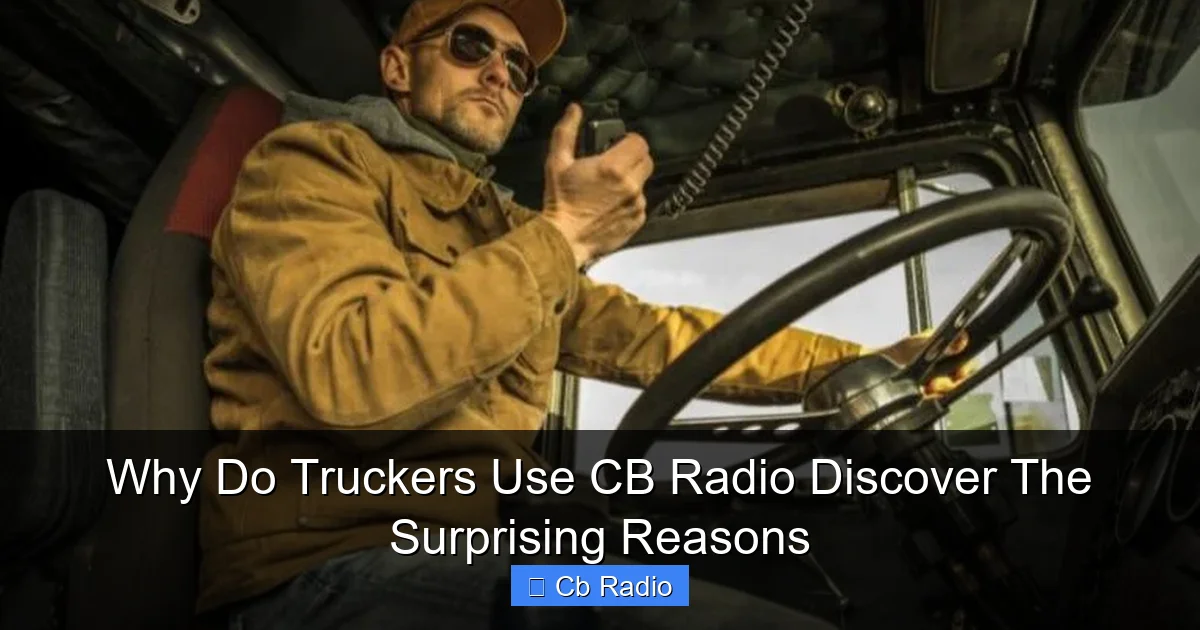
Visual guide about Why Do Truckers Use CB Radio Discover The Surprising Reasons
Image source: radiofidelity.com
Simple and Effective Communication
CB radios transmit voice messages instantly. When a trucker presses the push-to-talk button, their message broadcasts over the channel, and any nearby drivers tuned in can listen and respond. This instant back-and-forth is perfect for real-time updates and quick conversations on the road.
Reason 1: Real-Time Safety and Road Condition Updates
Sharing Hazard Warnings
One of the most important reasons truckers use CB radios is safety. Drivers share alerts about accidents, bad weather, road closures, or police activity. This real-time information helps truckers adjust their routes or driving to avoid dangers.
Example: Avoiding Road Hazards
Imagine a trucker heading down a highway who spots an accident blocking the right lane. By quickly announcing it on the CB radio, other drivers can slow down or change lanes early, reducing the risk of more accidents.
Traffic Updates and Detours
Traffic jams and construction zones can cause costly delays for truck drivers. CB radios allow them to share traffic conditions and suggest detours. This community-sourced info helps drivers save time and fuel.
Tip: Ask for Route Advice
If you’re unsure about a route or highway exit, just ask other truckers on the CB. Many experienced drivers are happy to offer advice based on recent travel.
Reason 3: Building a Trucking Community on the Road
Social Connection
Trucking can be a lonely job. CB radios create a sense of brotherhood among drivers. They chat about everything from road conditions to personal stories, making long hauls feel less isolating.
Practical Example: Coordinating Meetups
Truckers often use their CB radios to coordinate stops at truck stops or rest areas. This helps drivers find company and support during breaks.
Reason 4: Cost-Effectiveness and Reliability
No Monthly Fees or Service Plans
Unlike smartphones, CB radios don’t require a carrier plan, data usage, or monthly fees. Once installed, they’re free to use anytime, anywhere within their range.
Works Without Cell Signal
Remote highways often have poor or no cell coverage. CB radios work independently of cell networks, so truckers can stay connected even in the most isolated locations.
Reason 5: Emergency Communication and Backup
CB Radios During Emergencies
When disaster strikes or a truck breaks down, the CB radio becomes a lifeline. Drivers can call for help or alert nearby truckers and emergency services quickly.
Tip: Keep Your CB Radio Always On
Many truckers keep their radios on at all times during their shifts to be ready for emergencies or sudden updates.
The Future of CB Radios in Trucking
Combining Old and New Technology
While GPS and smartphones are essential, many truckers use CB radios alongside these tools. The combination ensures they have multiple communication options depending on the situation.
Ongoing Popularity
Despite advances in technology, CB radios remain popular because they’re simple, reliable, and uniquely suited to the trucking lifestyle.
Conclusion
So, why do truckers use CB radio? It’s clear that this technology offers a mix of safety, community, cost savings, and reliability that modern devices can’t fully replace. From sharing real-time road warnings to building friendships on long hauls, CB radios keep truckers connected when it matters most. Whether you’re a new driver or just curious, understanding the role of CB radios reveals why they remain an indispensable part of trucking culture today.
Frequently Asked Questions
Why is channel 19 important for truckers?
Channel 19 is the unofficial “trucker channel” on CB radios. It’s widely used for sharing traffic updates, safety warnings, and general communication among truck drivers on highways.
Can CB radios be used for emergencies?
Absolutely. CB radios are a valuable emergency tool, allowing truckers to call for help or alert others when phones aren’t working or signal is lost.
Do CB radios require special licenses?
No license is needed to operate a CB radio in the U.S., making it accessible for all truckers and drivers.
How do truckers maintain privacy on CB radios?
CB radio conversations are public on the channel, so truckers avoid sharing sensitive information and use discreet language when necessary.
Are CB radios affected by weather?
Weather can sometimes affect radio signal quality, but CB radios generally work well in most conditions, making them reliable on the road.
What is the etiquette for using a CB radio?
Good etiquette includes using clear language, avoiding profanity, not hogging the channel, and respecting other users to keep communication smooth and helpful.